If you have ever wandered through a local market in Spain, France, or Italy, you have likely seen tables covered in beautifully painted, vibrant ceramic plates. To the untrained eye, they look like lovely decorative pieces or small tapas dishes.
But to Mediterranean home cooks and professional chefs, these are not ordinary plates. They are one of the most efficient, traditional kitchen tools ever invented: the ceramic garlic grating plate.
If you love the flavor of fresh garlic but hate the hassle of cleaning a garlic press…or the harsh, bitter aftertaste that often comes with chopping it,
this traditional olive oil grating hack will change how you cook forever.
Why Traditional Garlic Prep Fails
To understand why a ceramic garlic plate is a staple in the Mediterranean kitchen, we first need to look at how garlic behaves when it is cut.
Garlic contains a compound called alliin and an enzyme called alliinase. When the cell walls of a garlic clove are ruptured, these two elements combine to create allicin, which gives garlic its distinct, pungent aroma and flavor.
However, how you rupture those cells matters significantly:
- Chopping with a knife: This cuts the cells cleanly but often leaves tiny, uneven chunks. If someone bites into a raw piece in a salad or dip, the flavor is overwhelmingly sharp.
- Using a standard metal garlic press: A press crushes the garlic completely, smashing the cells and releasing a large amount of sulfur compounds. This often results in a harsh, intensely bitter flavor that dominates the dish. Additionally, cleaning a metal press is notoriously difficult.
- Grating on a microplane: While effective, a microplane often shears off tiny metal fibers over time, reacts with the acids in food, and poses a risk to your fingertips.
The Ceramic Plate Solution: How It Works
A ceramic garlic grater plate features a raised, textured surface in the center, usually made of sharp, hardened clay ridges. Because the ridges are made of ceramic rather than metal, they do not slice or crush the garlic clove under heavy pressure.
Instead, the ceramic surface purees the garlic. It purely breaks down the fibers of the clove into a perfectly smooth, velvety paste.
More importantly, ceramic is completely non-reactive. Metal tools can oxidize the sulfur compounds in garlic, which introduces a metallic, bitter note to your food. Ceramic preserves the clean, sweet, and aromatic essence of the garlic exactly as nature intended.
Step-by-Step: The Mediterranean Olive Oil Grating Hack
The true magic of this tool happens when you introduce extra virgin olive oil directly onto the plate before you start grating. This is the authentic Mediterranean method used in homes across Southern Europe.
Step 1: Prep the Plate
Pour a teaspoon of high-quality extra virgin olive oil directly over the textured ridges in the center of the ceramic plate.
Step 2: Grate the Garlic
Take a peeled clove of fresh garlic. Holding it firmly between your fingers, rub the clove in a circular motion over the lubricated ridges.
Step 3: Watch the Puree Form
As you rub, the oil immediately emulsifies with the moisture and natural oils released from the garlic. Instead of the garlic sticking to the tool or drying out, it forms a perfectly smooth, aromatic paste that gathers beautifully on the plate.
Step 4: Sweep and Clean
Use a small kitchen brush or your finger to sweep the garlic-and-oil mixture straight into your pan, salad dressing, or onto a piece of toasted bread. To clean the plate, simply rinse it under warm running water. Because the surface is smooth ceramic, the remaining fibers wash away instantly without any scrubbing.
3 Essential Ways to Use Your Garlic Paste
Once you have mastered the grating hack, you can use this fresh paste to elevate everyday dishes instantly:
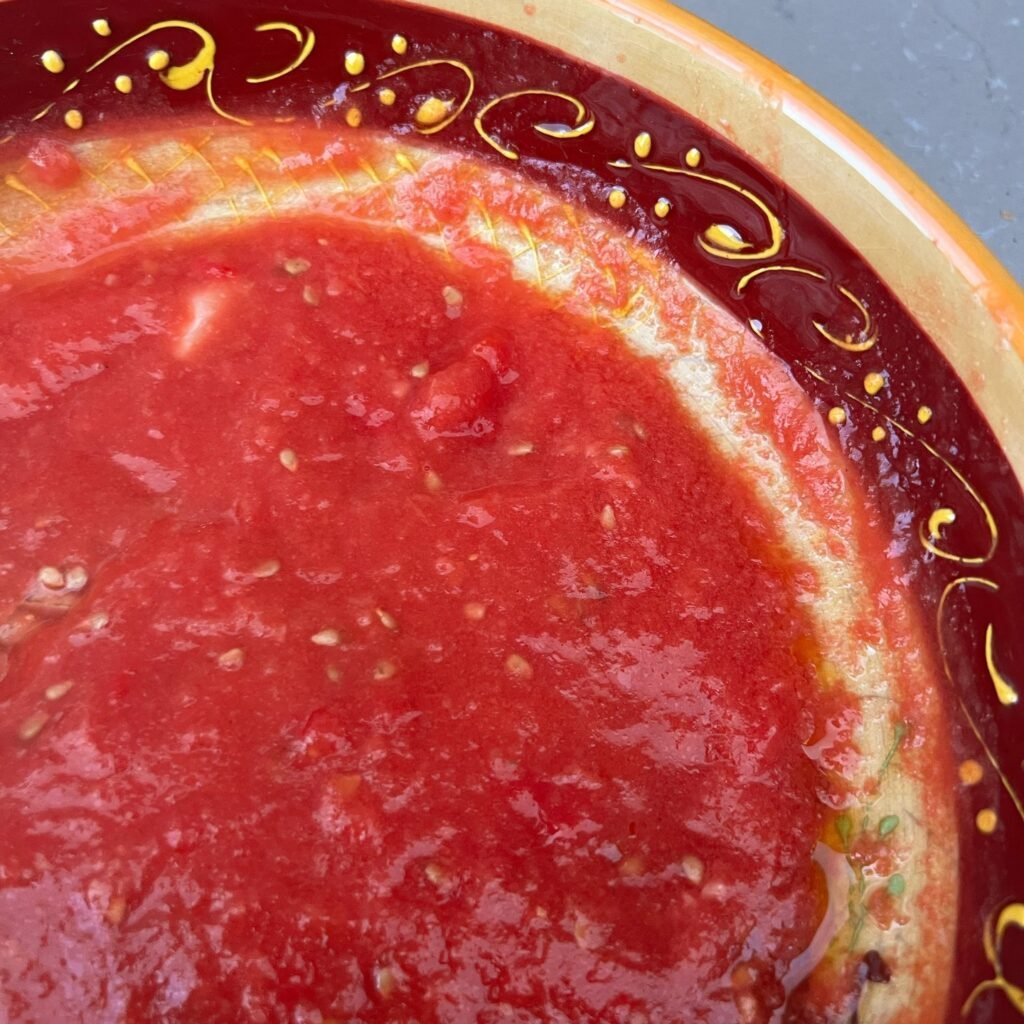
- The Ultimate Pan con Tomate: Grate a clove of garlic directly onto the plate with olive oil. Toast a slice of rustic sourdough bread, rub the garlic paste over the warm crust, spoon over crushed ripe tomatoes, and add a pinch of sea salt.
- Aromatic Vinaigrettes: Grate your garlic directly onto the plate with a little olive oil, then whisk in red wine vinegar, a touch of Dijon mustard, salt, and black pepper for a perfectly balanced salad dressing.
- Flawless Aioli and Dips: Because the plate creates a completely smooth paste without any hidden chunks, it blends seamlessly into mayonnaise or Greek yogurt for dips, ensuring an even distribution of flavor without any unexpected sharp bites.
Finding the Perfect Plate
When choosing a ceramic garlic plate, look for pieces that are individually hand-painted and made from heavy, kiln-fired clay. The ridges should feel distinctly sharp to the touch, if they are too rounded or glazed too thickly, they will mash the garlic rather than grating it.
By adding this simple, beautiful tool to your kitchen, you are not just adopting a faster prep method; you are bringing a centuries-old Mediterranean tradition into your daily cooking routine.