Discover the history of France’s famous mustard, what gives it that distinctive sharp flavor, and how to make a delicious Dijon-style mustard in your own kitchen.
There are certain ingredients I always like to have in the kitchen, and a good jar of Dijon mustard is one of them.
It might seem like a small thing. A spoonful stirred into a sauce, a little mustard brushed over chicken before roasting, or a teaspoon whisked into a vinaigrette.
But those small additions can make an enormous difference.
Dijon mustard has a way of bringing flavors together. It adds sharpness without the heaviness of a rich sauce, works beautifully with wine and cream, and gives even the simplest salad dressing a little French character.
Of course, you can buy excellent Dijon mustard almost anywhere these days.
But just as with homemade herb blends, there is something particularly satisfying about making your own.
And once you discover how mustard is made, you realize that those familiar jars have a much more interesting history than you might expect.
What Is Dijon Mustard?
Dijon mustard is a smooth, sharp French mustard traditionally associated with the city of Dijon in Burgundy, eastern France.
It is typically made using brown or black mustard seeds, vinegar or another acidic grape-based liquid, water, and salt.
Its defining characteristics are a smooth texture, pale yellow to golden color, and a distinctive sharpness.
Unlike many mild yellow mustards, Dijon mustard contains relatively little sweetness.
Its flavor is clean, tangy, and pleasantly pungent.
You will find it in countless French recipes, including vinaigrettes, creamy sauces, roasted meats, and traditional bistro dishes.
But perhaps the most interesting thing about Dijon mustard is that its name does not necessarily tell you where it was made.
Does Dijon Mustard Have to Come From Dijon?
Surprisingly, no.
Although Dijon mustard takes its name from the French city, it is not a protected geographical designation.
In France, the name Moutarde de Dijon refers to a regulated style of mustard rather than a product that must be manufactured within the city.
The traditional formulation uses brown or black mustard seeds, and the French rules specify which ingredients and processing methods qualify.
This means Dijon mustard can be produced outside Dijon, and even outside France.
That is quite different from products whose names are protected by geographical regulations.
What About Moutarde de Bourgogne?
If you want a mustard with a recognized connection to the Burgundy region, look for Moutarde de Bourgogne IGP.
IGP stands for Indication Géographique Protégée, or Protected Geographical Indication.
This designation connects the mustard to a defined geographic region and specific production requirements.
For Moutarde de Bourgogne, the mustard seeds and white wine must come from Burgundy, and the mustard must be produced within the designated region.
So while Dijon mustard describes a particular style, Moutarde de Bourgogne IGP provides a stronger guarantee of regional origin.
It is a useful distinction to remember when shopping for French mustard.
A Brief History of Dijon Mustard
Mustard has been used as a condiment for thousands of years.
The ancient Romans were familiar with mustard seeds and used them in preparations involving wine or grape must.
Over time, mustard became particularly important in French cooking.
Dijon developed a strong reputation for mustard production during the Middle Ages, helped by Burgundy’s agricultural and winemaking traditions.
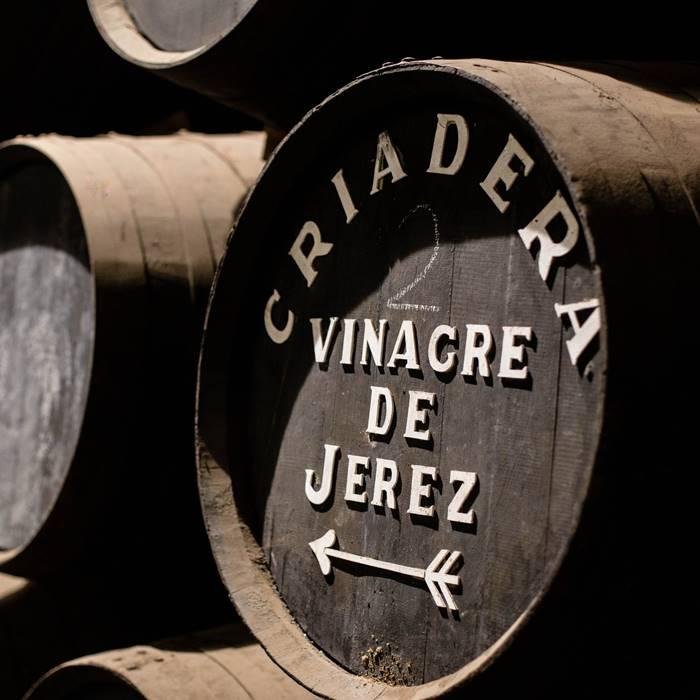
One reason Burgundy was particularly well suited to mustard-making was the availability of grapes and acidic grape-based liquids.
A traditional ingredient called verjuice, or verjus in French, became closely associated with the region’s mustard.
Verjuice is the tart juice pressed from unripe grapes.
It provides acidity without exactly the same flavor as vinegar.
An often-repeated story credits a mustard maker named Jean Naigeon with popularizing the use of verjuice in Dijon mustard during the eighteenth century.
Although the precise details of that story are difficult to verify, verjuice remains an important part of mustard’s culinary history.
Today, most commercial Dijon mustards use vinegar, while certain traditional and specialty versions use wine or grape-based ingredients.
What Is Dijon Mustard Made From?
One of the most appealing things about Dijon mustard is its relatively short ingredient list.
At its simplest, mustard is a combination of ground mustard seeds, liquid, and salt.
Yet the proportions and preparation method make an enormous difference to the finished product.
Brown and Black Mustard Seeds
Dijon mustard is traditionally made from brown or black mustard seeds.
Brown mustard seeds come from Brassica juncea, while black mustard seeds come from Brassica nigra.
Both produce a pronounced pungency when crushed and mixed with liquid.
Yellow mustard seeds, commonly used in mild American-style mustard, generally produce a gentler flavor.
That is one reason classic Dijon mustard tastes noticeably sharper than ordinary yellow mustard.
Vinegar, Wine, and Verjuice
The liquid used to make mustard does more than create its texture.
It also influences acidity, flavor, and pungency.
White wine vinegar gives mustard a bright, clean tang.
Verjuice contributes a softer grape-like acidity.
Some formulations also use wine.
The balance between the mustard seeds and the acidic liquid is one of the secrets behind a good Dijon-style mustard.
Salt
Salt rounds out the flavor and helps balance the sharpness.
Without it, mustard can taste surprisingly flat, even when the seeds themselves are pungent.
Why Is Dijon Mustard So Sharp?
Mustard seeds contain natural compounds that react when the seeds are crushed and combined with water.
An enzyme called myrosinase helps convert compounds known as glucosinolates into pungent substances, including isothiocyanates.
These create the distinctive sharp sensation associated with mustard.
It is not quite the same heat that you experience from chili peppers.
Instead, strong mustard produces a sharp sensation that can travel through your nose, rather like horseradish or wasabi.
The preparation method influences how strong that sensation becomes.
Grinding, liquid temperature, acidity, and resting time all affect the finished mustard.
Freshly prepared mustard can be particularly assertive, while its flavor generally becomes rounder as it matures.
Dijon Mustard vs Yellow Mustard vs Whole-Grain Mustard
Although these condiments may look similar on a supermarket shelf, they can taste quite different.
Dijon Mustard
Smooth, sharp, tangy, and often made with brown or black mustard seeds.
Excellent for vinaigrettes, sauces, marinades, and roasted meats.
American Yellow Mustard
Usually milder and made with yellow mustard seeds.
Turmeric commonly gives it the familiar bright-yellow color.
This is the mustard often served with hot dogs, burgers, and sandwiches.
Whole-Grain Mustard
Whole-grain mustard, often called moutarde à l’ancienne in France, retains whole or partially crushed mustard seeds.
It has a coarser texture, with visible seeds that add character to sauces and dressings.
Whole-grain mustard can be mild or strong depending on the seeds and recipe.
It is particularly delicious with pork, potatoes, and creamy sauces.
Honey Mustard
Honey mustard combines mustard with honey or another sweetener.
The sweetness balances the acidity and heat.
It works particularly well as a dipping sauce or salad dressing.
How to Make Homemade Dijon-Style Mustard
Making mustard at home is surprisingly simple.
You do not need special equipment, although a small blender or spice grinder makes the job easier.
The most important ingredient is good-quality mustard seed.
For this recipe, I prefer brown mustard seeds because they produce the familiar sharpness associated with Dijon.
One important distinction: this is a homemade Dijon-style mustard, not a commercially certified Dijon mustard. Its final texture and composition will depend on how finely you grind and sieve the seeds.
Homemade Dijon-Style Mustard Recipe
Makes: Approximately one small jar, about 180–220 g depending on the final texture.
Preparation time: 15 minutes
Resting time: 24–48 hours
Cooking time: None
Ingredients
- 60 g (about ⅓ cup) brown mustard seeds
- 60 ml (¼ cup) white wine vinegar, 5% acidity
- 45 ml (3 tablespoons) cool water
- 15 ml (1 tablespoon) dry white wine or additional white wine vinegar
- ½ teaspoon fine salt
Instructions
Step 1 — Grind the mustard seeds
Place the mustard seeds in a clean spice grinder and grind them into a fine meal. For a smoother mustard, grind as finely as your equipment allows.
Step 2 — Add the liquids
Transfer the ground seeds to a glass or ceramic bowl. Stir in the cool water, followed by the white wine vinegar and wine.
Step 3 — Season
Add the salt and stir until the ingredients form a thick paste. The mixture will thicken as the ground seeds absorb the liquid.
Step 4 — Adjust the texture
Blend the mixture until it becomes as smooth as possible. If necessary, add a teaspoon of water or vinegar at a time. For a finer finish, press the mustard through a fine-mesh sieve to remove some of the seed husks.
Step 5 — Refrigerate and mature
Spoon the mustard into a clean, airtight jar and refrigerate for 24–48 hours before tasting.
Fresh mustard can taste surprisingly sharp and slightly bitter. Resting helps the flavors become more balanced.
Step 6 — Taste and serve
Stir the mustard and taste it. If it is too thick, add a small splash of vinegar and stir well.
Keep refrigerated and use within two weeks.
This homemade recipe has not been tested for shelf-stable preservation. Do not store it at room temperature or attempt to preserve it by canning without a tested preservation recipe.
Tip
If you enjoy a rustic mustard with visible seeds, stop grinding before the mixture becomes completely smooth.
For a fine, silky mustard, grind more thoroughly and pass the finished mixture through a sieve.
Homemade mustard will not necessarily look exactly like a supermarket version, but that is part of its character.
Can You Make Dijon-Style Mustard Without Wine?
Absolutely.
You can replace the tablespoon of wine in the homemade recipe with additional white wine vinegar.
This produces a slightly different flavor, but you will still have a delicious sharp mustard.
For a gentler grape-like acidity, you can also experiment with verjuice, provided you use it in a recipe intended for refrigerated mustard.
The final flavor will depend on the acidity and character of your chosen liquid.
What Can You Cook With Dijon Mustard?
Dijon mustard is far more versatile than a sandwich condiment.
In French cooking, it is often used as a supporting ingredient rather than the dominant flavor.
A spoonful can add acidity, sharpness, and complexity to an otherwise simple dish.
Classic French Vinaigrette
One of the easiest ways to use Dijon mustard is in a vinaigrette.
Whisk together one teaspoon of Dijon mustard, one tablespoon of wine vinegar, three tablespoons of good olive oil, and a little salt and pepper.
The mustard contributes flavor and helps the dressing emulsify.
This simple dressing is wonderful with green salads, tomatoes, or warm potatoes.
Creamy Dijon Chicken
Dijon mustard pairs beautifully with chicken, particularly when combined with shallots, white wine, stock, and cream.
The mustard cuts through the richness of the sauce without overwhelming the meat.
It is the kind of dish that feels perfectly at home in a French country kitchen.
Pork With Mustard Sauce
Pork and mustard are a classic combination.
Try adding Dijon mustard to a sauce made with pan juices, cream, and a little white wine.
Whole-grain mustard is also excellent here.
Roasted Salmon
A thin layer of Dijon mustard works beautifully on salmon.
Combine it with lemon zest, olive oil, and herbs before roasting.
The result is bright, savory, and aromatic.
Potato Salad
A mustard vinaigrette is delicious with warm potatoes.
Add shallots, parsley, and a little vinegar for a French-inspired potato salad without mayonnaise.
Marinades and Glazes
Dijon mustard is excellent in marinades for chicken, pork, and vegetables.
Combine it with olive oil, garlic, herbs, and lemon.
It also works well in honey-mustard glazes.
Cheese and Savory Pastries
A thin layer of Dijon mustard beneath cheese or tomatoes adds wonderful flavor to savory tarts.
It is particularly good in a French tomato tart with Gruyère or Comté.
Why Dijon Mustard Works So Well in Salad Dressings
One of the most useful things about Dijon mustard is its ability to help oil and vinegar come together.
Oil and water-based liquids naturally separate.
Mustard contains compounds that help stabilize an emulsion, allowing a dressing to stay combined longer.
That is why adding a teaspoon of Dijon mustard to a vinaigrette often produces a more cohesive dressing than simply whisking oil and vinegar together.
It also adds flavor, making the dressing sharper and more balanced.
How to Choose a Good Dijon Mustard
When buying Dijon mustard, start with the ingredient list.
A traditional-style mustard should have a relatively simple composition, built around mustard seeds, an acidic liquid, water, and salt.
Pay attention to the type of vinegar or wine used and whether there are additional flavorings.
If regional origin matters to you, look for Moutarde de Bourgogne IGP rather than assuming that every jar labeled Dijon was produced in Burgundy.
And do not assume that the most expensive jar will necessarily suit your cooking best.
Some mustards are sharper, others smoother, and others have more pronounced wine notes.
The best choice often depends on what you plan to make.
How to Store Dijon Mustard
Commercial Dijon mustard should be stored according to the manufacturer’s instructions.
Once opened, refrigeration is generally recommended to preserve its quality and flavor.
Homemade mustard requires more care because it has not undergone the same controlled manufacturing and testing.
Keep homemade mustard refrigerated in a clean, airtight container.
Always use a clean spoon when serving it.
For the small homemade recipe above, plan to use it within two weeks and discard it earlier if it develops mold, unusual odors, or other signs of spoilage.
Do not assume that adding vinegar automatically makes a homemade condiment safe for pantry storage.
Frequently Asked Questions About Dijon Mustard
Is Dijon mustard spicy?
Yes, but its sharpness is different from chili heat. It has a pungent, nose-tingling character similar to horseradish.
Is Dijon mustard made with wine?
Some varieties contain wine, while others use wine vinegar, verjuice, or other permitted grape-based ingredients. Not every Dijon mustard contains wine.
Does Dijon mustard have to be made in France?
No. The name refers to a regulated mustard style in France, rather than a protected geographical origin.
What is the difference between Dijon mustard and whole-grain mustard?
Dijon mustard is generally smooth and finely ground. Whole-grain mustard retains visible mustard seeds and has a more textured consistency.
Can I substitute yellow mustard for Dijon?
You can in some recipes, but yellow mustard is usually milder and may contain turmeric and other ingredients that change the flavor.
For classic French sauces and vinaigrettes, Dijon mustard is preferable.
Can I make Dijon mustard at home?
Yes. A simple Dijon-style mustard can be made from brown mustard seeds, vinegar, water, and salt.
Is Dijon mustard vegan?
Most traditional Dijon mustards are made from plant-based ingredients, but always check the label if you follow a strict vegan diet. Ingredients and processing methods can vary.
Is Dijon mustard gluten-free?
The basic ingredients are naturally gluten-free, but packaged products may contain additional ingredients or be subject to cross-contact during production. Choose a clearly labeled gluten-free product if necessary.
A Small Jar With a Remarkable History
What I love about Dijon mustard is how much character it brings to even the simplest food.
It can turn a few spoonfuls of olive oil and vinegar into a lovely salad dressing, give a cream sauce the perfect amount of sharpness, or make a roast chicken taste just a little more special.
And behind that familiar jar is a story of Burgundy, grape harvests, mustard makers, and centuries of French cooking.
You can certainly buy wonderful Dijon mustard in the supermarket, and I often do.
But making a little jar yourself is a lovely way to understand what goes into it.
Sometimes the most interesting kitchen discoveries begin with the simplest ingredients.