Hi friends! If you’re planning a trip to Spain, tapas are probably at the top of your list. They should be, because in Spain, tapas aren’t just a type of food. They’re a way to spend an evening: a drink in your hand, a small plate in front of you, and good company all around.
We live in Alcalalí, Spain, so we see how this works every week. The good news is that the rules are simple. However, a few of them surprise visitors, especially when it comes to timing, portion names, and how to move from bar to bar. So let’s go through them together, and you’ll walk into your first bar like a local.
Tapa, Pincho, Media Ración, or Ración?
First, let’s sort out the menu. These four words describe portion sizes, and once you know them, ordering gets much easier.
| Name | What it is | How you eat it |
|---|---|---|
| Tapa | A small portion served with a drink | One or two bites, often with a toothpick |
| Pincho (pintxo) | A small bar snack from northern Spain, usually on bread | Held together with a toothpick, and paid for per piece |
| Media ración | A half portion, bigger than a tapa | Enough for two to share, or one hungry person |
| Ración | The full portion, like a main course | Eaten with cutlery, and usually enough for two or three people |
Tapa vs. Pincho
A tapa is a small dish that comes with, or alongside, your drink. A pincho, called pintxo in the Basque Country, is a close cousin. It’s most popular in the Basque Country and Navarre, and it’s usually a slice of bread with toppings, held in place by a toothpick. The word itself means “spike.” Pinchos are sold by the piece, and you pay for them separately from your drinks. In some bars, the toothpicks even help count what you’ve eaten. Keep in mind that the names vary by place, so the same dish might be a pincho in one town and a tapa in the next.
Is a Tapa Always Free?
Not anymore. The free tapa with every drink is mainly a tradition in eastern Andalusia, Castilla y León, and Galicia, and it has died out across much of Spain. Granada is the best-known example. There, each drink comes with a tapa, and your next round brings a different one. Coffee and tea don’t count. In most other places, though, you choose your dishes and pay for them, so don’t expect a free snack everywhere.
When Do Spaniards Actually Eat?
Timing is the biggest difference between a visitor and a local. Spain runs on a later clock than the US or the UK, and the whole day is shifted.
| Meal | Typical time |
|---|---|
| Lunch (la comida), the main meal | 2:00 to 3:30 p.m. |
| Merienda, an afternoon snack | 5:00 to 6:30 p.m. |
| Aperitif and tapas | 8:00 to 10:00 p.m. |
| Dinner (la cena) | 9:00 to 11:00 p.m. |
Why 6 p.m. Is Too Early
Many visitors arrive at a restaurant around 6 p.m., because that’s when they’re used to eating dinner. Unfortunately, few sit-down kitchens are open between 6 and 8 p.m. Most restaurants don’t open for dinner before about 8 p.m., and it’s hard to find authentic dinner dishes before 8:30. So if you walk in at six, you’ll likely find an empty room, or a place that mainly serves visitors.
Why You Sit Down After 9 p.m.
Instead, plan to sit down for dinner around 9 p.m. or later. That’s when Spanish families head for their kitchens, and the evening starts to fill up. On weekends, and the further south you go, dinner is often even later. Before that, from about 8 p.m., you can enjoy the aperitif hour at a bar with a drink and a small bite, so you won’t be hungry while you wait.
Raciones for Dinner? Yes, but Order Smart
You may have heard that ordering a table full of raciones for dinner is a tourist mistake. In fact, dinner in Spain is lighter than lunch, and it’s often made of shared tapas, so a dinner of raciones is perfectly normal. The mistake is ordering everything at once. Instead, order two or three dishes, enjoy them, and then add more if you’re still hungry. That way, everything arrives hot, and you won’t end up with a pile of plates.
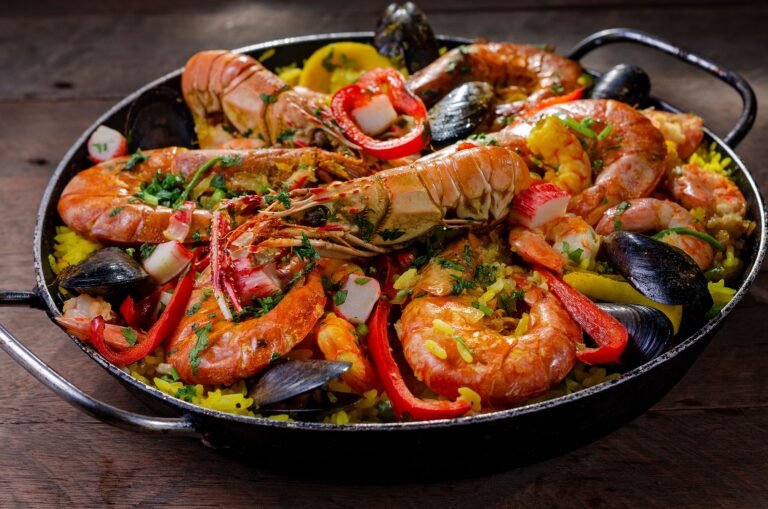
Cost is another reason to go slowly. Small plates often run from €4 to €10, so ordering four dishes for two people adds up quickly. Also, save the paella for lunch. It’s a lunchtime dish, and it’s not usually ordered in the evening.
The Unwritten Rule of Bar Hopping
Now for the part we love most. In Spain, going from bar to bar is called tapeo, and it’s the heart of tapas culture. The idea is simple: you order a drink, eat a few bites, chat, and then move on to the next place.
One Drink, One Bite, Then Move On
You don’t need to commit to a single bar for the whole evening. Instead, have one drink and a tapa or two, and then stroll to the next spot. Sharing a ración and then walking on is the essence of the tradition. Because each stop is short, you can try more places, and every bar can show off what it does best.
Stand at the Bar
If you can, stand at the bar. Table service is slower and sometimes pricier, and the bar is where the action happens. As a bonus, it’s easy to chat with the staff and ask what’s good that day.
What to Drink
With tapas, locals usually order a caña (a small draft beer), a glass of wine, or a sherry. Sangria is rarely drunk by locals, and tinto de verano, red wine mixed with a lemony soda, is the more common summer drink.
Napkins on the Floor?
You may have heard that Spaniards throw their napkins and olive pits on the floor. That belonged to old-school bars, and most modern places keep their floors tidy. So look around first, and do what the people next to you do.
Paying and Tipping
Tipping isn’t expected in Spain like it is in the US, because wait staff are salaried. Rounding up or leaving some coins is perfectly fine, and about 10 percent is generous for exceptional service.
A Simple Evening Plan
If you’d like a plan, here’s an easy one:
- Around 8 p.m.: start at a bar and stand at the counter. Order a drink and one tapa.
- Around 8:45 p.m.: move on to a second bar. Share a media ración, or try a couple of pinchos.
- After 9 p.m.: either sit down for dinner, or add a third stop and keep hopping.
Quick Cheat Sheet
| Do | Don’t |
|---|---|
| Eat your main meal at lunch, from 2 p.m. | Arrive for dinner at 6 p.m. |
| Order in small rounds | Order everything at once |
| Move from bar to bar | Stay at one table all night |
| Stand at the bar | Expect a free tapa everywhere |
| Round up the bill | Add a big US-style tip |