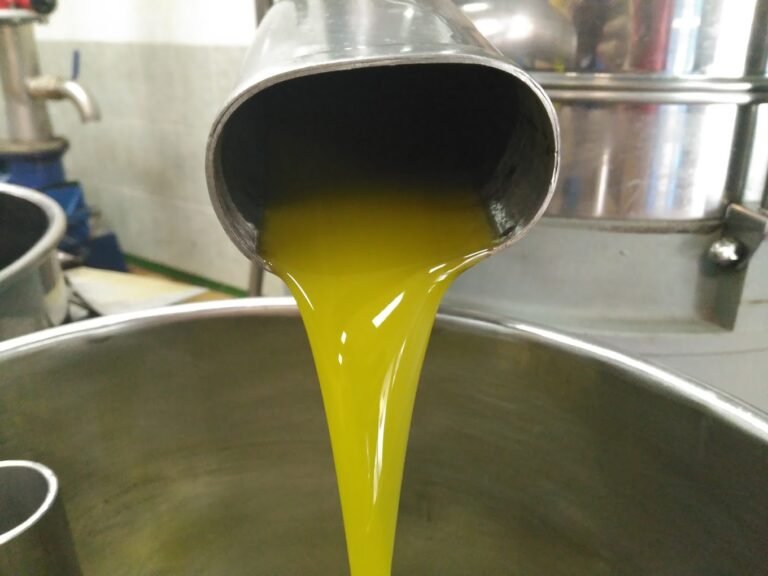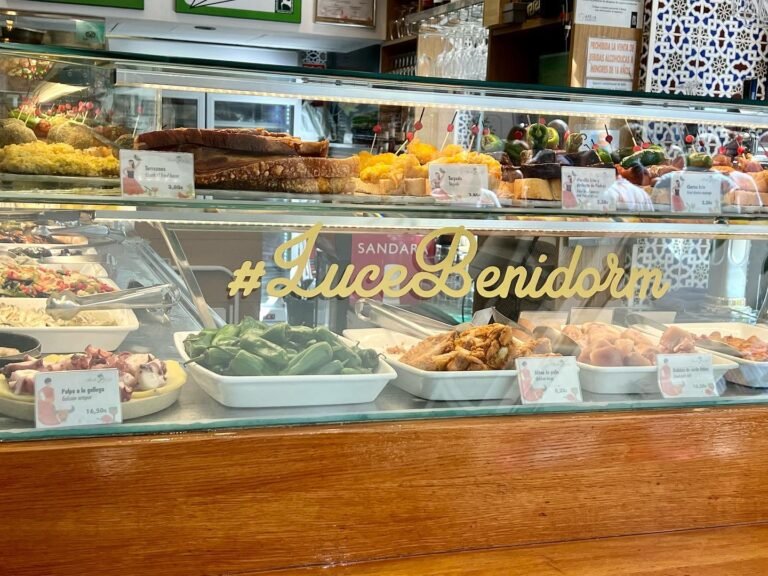
Fresh vegetables, golden olive oil, fragrant herbs, freshly caught fish and a bowl of olives shared around the table. These are some of the foods we associate with the Mediterranean, but there’s much more to this way of eating than beautiful ingredients and delicious recipes.
The Mediterranean diet is widely recognised as one of the healthiest eating patterns in the world. And unlike many popular diets, it doesn’t revolve around calorie counting, complicated rules or eliminating entire food groups.
Instead, it focuses on real food, seasonal ingredients and meals prepared with care. It’s a way of eating inspired by generations of people living around the Mediterranean Sea.
But what actually makes the Mediterranean diet so healthy? And do you need to live in Spain, Italy or Greece to enjoy its benefits?
Let’s take a closer look at the science, the ingredients and the everyday traditions behind this remarkable way of eating.
What Is the Mediterranean Diet?
The Mediterranean diet isn’t a strict meal plan. It’s a traditional pattern of eating inspired by countries surrounding the Mediterranean Sea, particularly Spain, Greece, Italy and parts of southern France.
Similar food traditions can also be found across North Africa and the eastern Mediterranean, including Morocco, Lebanon and other countries of the Levant.
Although these cuisines have their own distinctive dishes and traditions, many share a foundation of vegetables, legumes, grains, herbs, olive oil and freshly prepared food.
The Mediterranean diet typically emphasises:
- Fresh vegetables and seasonal fruit
- Extra virgin olive oil
- Beans, lentils and chickpeas
- Whole grains and traditional breads
- Nuts and seeds
- Fish and seafood
- Fresh herbs, garlic and spices
- Moderate amounts of yogurt, cheese, eggs and poultry
- Smaller amounts of red meat, processed meats and sugary foods
But perhaps the most important distinction is that the Mediterranean diet isn’t about eating one particularly healthy ingredient.
It’s the combination of foods, eaten regularly over time, that makes this dietary pattern so interesting.
7 Reasons the Mediterranean Diet Is Considered So Healthy
1. It’s Rich in Heart-Healthy Fats
One of the most recognisable ingredients in Mediterranean cooking is extra virgin olive oil.
Unlike butter, which is relatively high in saturated fat, olive oil is rich in monounsaturated fatty acids, particularly oleic acid.
Replacing some saturated fats with unsaturated fats can help improve blood cholesterol levels and support cardiovascular health.
Extra virgin olive oil also contains naturally occurring plant compounds called polyphenols. These compounds have antioxidant properties and are being studied for their effects on inflammation and blood vessel health.
Other sources of beneficial unsaturated fats include walnuts, almonds, seeds and oily fish.
How to use it: Drizzle extra virgin olive oil over tomatoes, use it in homemade salad dressings or cook vegetables with it instead of butter.
2. Vegetables Are Part of Everyday Cooking
Vegetables aren’t simply an accompaniment to the main course in traditional Mediterranean cooking. Often, they are the main attraction.
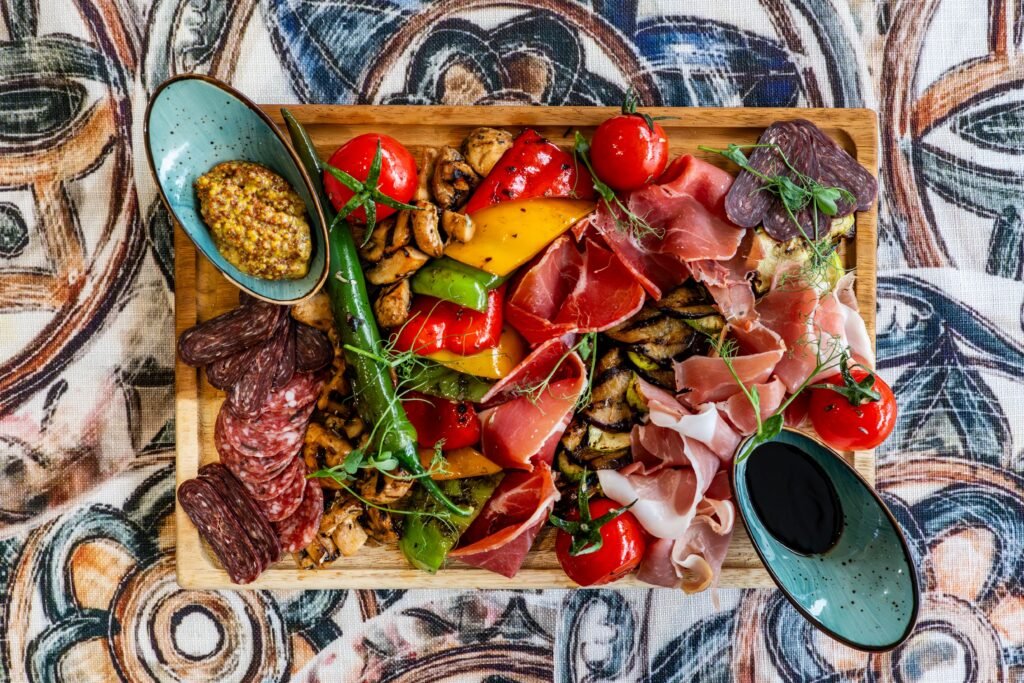
Think of Spanish pisto, French ratatouille, Greek vegetable stews or Moroccan dishes filled with carrots, tomatoes, courgettes and chickpeas.
Vegetables provide dietary fibre, vitamins, minerals and a wide variety of naturally occurring plant compounds.
Eating a variety of vegetables regularly supports overall health and helps provide nutrients that the body needs for normal functioning.
Different colours often indicate different groups of plant pigments and compounds, which is one reason variety matters.
How to use it: Build your meals around vegetables rather than treating them as an afterthought. Roast peppers, aubergines and courgettes with olive oil, or prepare a simple tomato salad with fresh herbs.
3. Beans and Lentils Provide Fibre and Plant Protein
Chickpeas, lentils and white beans appear in countless Mediterranean recipes.
They’re affordable, versatile and packed with nutrients.
Legumes provide plant protein, dietary fibre and minerals such as iron, magnesium and potassium.
Their fibre content helps support digestive health and can contribute to improved blood cholesterol levels.
Beans and lentils also contain carbohydrates that are digested more gradually than many highly refined carbohydrates, making them useful ingredients in balanced meals.
In Mediterranean cooking, they appear in everything from lentil soup and chickpea salads to slow-cooked vegetable stews.
How to use it: Replace part of the meat in a stew with chickpeas or lentils. Add white beans to a tomato-based soup or make a simple chickpea salad with lemon, parsley and olive oil.
4. Fish and Seafood Provide Valuable Nutrients
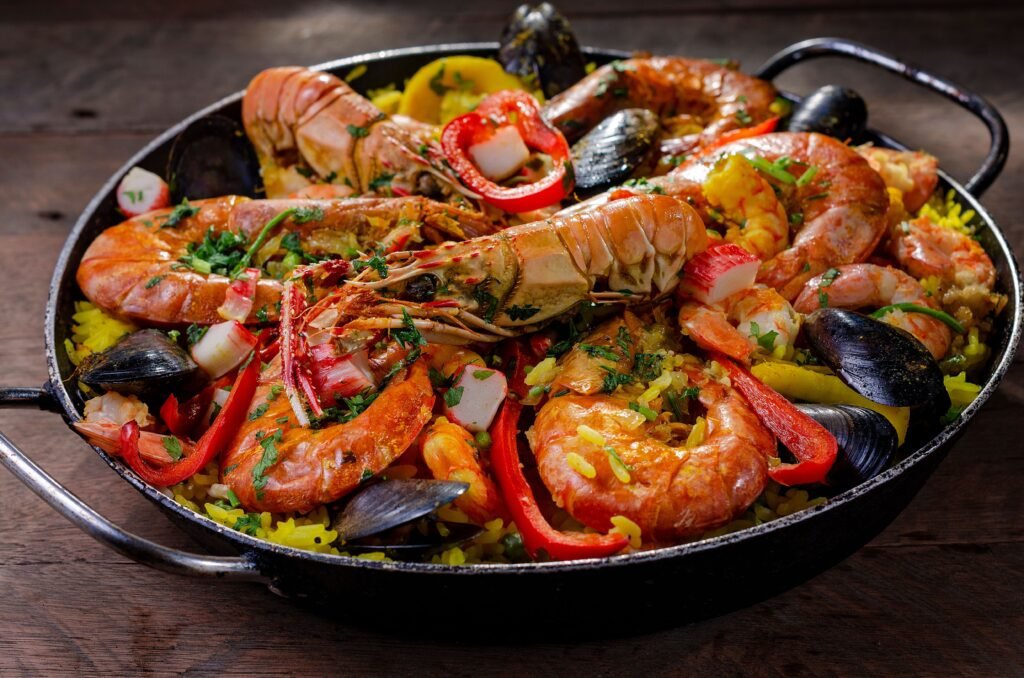
Fish plays an important role in many coastal Mediterranean communities.
Sardines, anchovies, mackerel, sea bream, tuna and other seafood feature prominently in regional cooking.
Oily fish such as sardines, salmon and mackerel are particularly valuable because they contain omega-3 fatty acids, including EPA and DHA.
These fats contribute to normal bodily functions and are associated with cardiovascular benefits.
Fish also provides protein and nutrients such as vitamin B12, iodine and, in some varieties, vitamin D.
The Mediterranean approach doesn’t require expensive seafood. Canned sardines, for example, can be a practical and nutritious pantry staple.
How to use it: Try grilled sardines with lemon, baked fish with tomatoes and olives, or a simple tuna and white bean salad.
5. It Includes Plenty of Fibre-Rich Foods
Fibre is one of the less glamorous but extremely important parts of a healthy diet.
Whole grains, vegetables, fruit, legumes, nuts and seeds all contribute dietary fibre.
Fibre supports regular digestion, helps feed beneficial bacteria in the gut and can contribute to better blood cholesterol and blood sugar management.
A Mediterranean meal containing vegetables, chickpeas, whole-grain bread and olive oil provides several of these nutritional benefits in one dish.
And importantly, fibre-rich foods often make meals more satisfying.
How to use it: Choose whole grains more often, add beans to soups and salads, and include a generous variety of vegetables throughout the day.
6. It Contains Fewer Highly Processed Foods
Traditional Mediterranean cooking places considerable emphasis on recognisable ingredients.
Tomatoes, onions, garlic, olive oil, herbs, vegetables and fish become meals through simple cooking techniques.
This naturally creates opportunities to eat fewer highly processed foods that are often high in sodium, added sugars or less desirable fats.
That doesn’t mean every packaged food is unhealthy. Canned tomatoes, frozen vegetables, dried pasta and canned beans can all be excellent ingredients.
What matters is the overall nutritional quality of the food and the balance of the diet.
How to use it: Keep useful pantry ingredients at home so you can prepare satisfying meals without relying on heavily processed ready-made dishes.
7. It’s a Sustainable Way to Enjoy Food
One reason the Mediterranean eating pattern appeals to so many people is that it doesn’t demand perfection.
Bread isn’t forbidden. Pasta isn’t the enemy. Cheese can still have its place at the table.
Instead of dividing food into strict categories of good and bad, the emphasis is on everyday habits and the overall balance of meals.
In many Mediterranean communities, cooking and eating are also social occasions.
Family lunches, local markets and meals shared with friends are part of the wider food culture.
These traditions aren’t a medical treatment, but they remind us that enjoying food, cooking at home and maintaining social connections can form part of a healthy lifestyle.
What Does Science Say About the Mediterranean Diet?
The Mediterranean diet has been studied extensively, particularly in relation to cardiovascular health.
One important Spanish research project, known as the PREDIMED trial, studied thousands of adults who were considered at high risk of cardiovascular disease.
Participants following a Mediterranean-style diet supplemented with extra virgin olive oil or nuts experienced fewer major cardiovascular events than participants advised to follow a reduced-fat diet.
The trial was corrected and republished in 2018 following problems with its original randomisation procedures. The corrected analysis continued to support a cardiovascular benefit, although the findings should be interpreted with the study’s limitations in mind.
Other research has linked greater adherence to a Mediterranean eating pattern with a lower risk of developing type 2 diabetes.
Studies have also examined possible benefits for brain health, healthy ageing and certain other conditions. These findings are promising, but the strength of the evidence varies, and not every association demonstrates a direct cause-and-effect relationship.
The most convincing message from the research is that long-term eating patterns matter more than individual superfoods.
No single ingredient can guarantee good health. The benefits appear to come from the combination of nutritious foods and consistent habits.
What Foods Should You Eat on a Mediterranean Diet?
A useful way to understand the Mediterranean diet is to think about which foods appear most frequently, rather than keeping a list of forbidden ingredients.
Foods to Enjoy Regularly
- Vegetables, including tomatoes, leafy greens, peppers, courgettes and aubergines
- Fresh fruit, particularly seasonal varieties
- Legumes such as chickpeas, lentils and beans
- Whole grains, including oats, barley and whole-grain bread
- Extra virgin olive oil
- Nuts and seeds
- Garlic, onions, fresh herbs and spices
- Water as your main everyday drink
Foods to Enjoy in Moderate Amounts
- Fish and seafood
- Poultry
- Eggs
- Natural yogurt
- Cheese
- Traditional pasta, rice and bread as part of balanced meals
Foods to Eat Less Frequently
- Processed meats
- Large portions of red meat
- Sugary drinks
- Sweets and desserts with substantial added sugar
- Foods high in sodium or saturated fat
- Highly processed snacks with little nutritional value
These are guidelines, not strict rules. Mediterranean eating patterns vary by country, season, family and personal preference.
Is the Mediterranean Diet Good for Weight Loss?
It can be, but the Mediterranean diet isn’t automatically a weight-loss diet.
Olive oil, nuts and cheese are nutritious foods, but they also contain significant amounts of energy.
Eating more of them without considering your overall food intake won’t necessarily lead to weight loss.
However, a Mediterranean-style eating pattern can help people build satisfying meals around vegetables, fibre-rich foods, whole grains and nutritious protein sources.
For people who want to manage their weight, portion sizes and overall energy intake still matter.
The advantage is that the Mediterranean diet can offer a flexible, enjoyable way of eating rather than relying on extreme restrictions.
Do You Have to Give Up Bread, Pasta or Potatoes?
Absolutely not.
Bread, pasta, rice and potatoes can all be part of a Mediterranean-style diet.
The important questions are how they’re prepared, what they’re served with and how they fit into the overall meal.
A plate of pasta with tomatoes, vegetables, olive oil and white beans offers a very different nutritional balance from a large serving of pasta with a heavy cream sauce and processed meat.
Whole-grain options can provide additional fibre, but traditional Mediterranean cooking also includes refined grains.
You don’t need to abandon familiar foods. Instead, focus on building balanced meals around them.
What About Wine?
Wine is often associated with Mediterranean food culture, particularly in countries such as Spain, France and Italy.
However, drinking wine is not a requirement of the Mediterranean diet.
Alcohol carries health risks, and it is not recommended to start drinking for potential health benefits.
Water is the best everyday choice for hydration.
You can enjoy the Mediterranean way of eating without drinking alcohol at all.
How to Start Eating the Mediterranean Way
One of the nicest things about Mediterranean cooking is that you don’t need a completely new kitchen or a long list of specialist ingredients to get started.
Here are a few practical changes you can make.
- Keep extra virgin olive oil in your kitchen. Use it as your main cooking oil and for dressings.
- Add more vegetables to everyday meals. Roast them, grill them, simmer them in tomato sauce or serve them fresh.
- Cook with beans and lentils. They’re affordable and work beautifully in soups, salads and stews.
- Eat fish more often. Fresh, frozen and canned varieties can all be useful.
- Choose whole grains regularly. Try oats, whole-grain bread, barley or brown rice.
- Use herbs, spices and citrus for flavour. Garlic, parsley, oregano, thyme, paprika and lemon bring plenty of character to Mediterranean dishes.
- Make meals worth sitting down for. Whenever possible, take time to enjoy your food rather than eating in a hurry.
You don’t need to make every change overnight. Even a few consistent improvements can help you move toward a healthier eating pattern.
A Simple Day of Mediterranean Eating
Wondering what a Mediterranean-style day might look like?
Breakfast: Plain Greek yogurt with berries, oats and a handful of walnuts.
Lunch: Chickpea salad with tomatoes, cucumber, red onion, parsley, olive oil and lemon. Serve with whole-grain bread.
Afternoon snack: Fresh fruit and a small handful of almonds.
Dinner: Baked fish with roasted Mediterranean vegetables and a serving of whole grains or potatoes.
Something sweet: Fresh seasonal fruit or a small portion of a favourite homemade dessert.
This is only one example. There is no single Mediterranean menu that everyone needs to follow.
Mediterranean Diet FAQs
Is the Mediterranean diet actually healthy?
Yes. A substantial body of research supports Mediterranean-style eating as a healthy dietary pattern, particularly for cardiovascular health. It emphasises vegetables, fruit, legumes, whole grains, unsaturated fats and other nutrient-rich foods.
Can you follow the Mediterranean diet in America?
Absolutely. You don’t need access to a Spanish market or an Italian delicatessen. Olive oil, canned tomatoes, beans, lentils, vegetables, frozen fish, whole grains and herbs are available in many American supermarkets.
Fresh, frozen and canned ingredients can all be useful.
Is the Mediterranean diet expensive?
It doesn’t have to be. Dried lentils, canned chickpeas, seasonal produce, oats and canned sardines are affordable staples. Expensive cheeses, imported olive varieties and speciality seafood aren’t necessary for everyday Mediterranean cooking.
Can vegetarians follow the Mediterranean diet?
Yes. Legumes, vegetables, grains, nuts, seeds and olive oil already form much of its foundation. A vegetarian Mediterranean eating pattern can include eggs and dairy, while a vegan version requires attention to nutrients such as vitamin B12.
Is the Mediterranean diet low-carb?
Not necessarily. Traditional Mediterranean eating patterns include bread, pasta, grains, beans, potatoes and fruit. The focus is generally on the quality and balance of carbohydrate-containing foods rather than eliminating them.
Can I eat Mediterranean food every day?
Yes. The Mediterranean diet is intended as a long-term way of eating rather than a short-term programme. Individual dietary needs may differ, especially for people managing medical conditions.
More Than a Diet: The Mediterranean Way of Life
Here in Spain, food is woven into everyday life.
Markets fill with seasonal produce, olive oil is an essential part of the kitchen, and recipes are often shaped by what is fresh and available locally.
The Mediterranean is wonderfully diverse. A Moroccan vegetable tagine, a Spanish chickpea stew, an Italian tomato salad and a Greek dish of grilled fish may look completely different, yet they can share many of the same principles.
Fresh ingredients, traditional cooking methods and an appreciation for good food connect these cuisines.
The Mediterranean diet isn’t about recreating an idealised version of life beside the sea. It’s about taking the most useful parts of these food traditions and making them work wherever you live.
Whether you’re shopping at a market in Valencia or a supermarket in Colorado, the fundamentals remain the same.
Choose good ingredients. Learn how to prepare them. Enjoy a variety of foods. And make time for the pleasure of a good meal.
That’s the Mediterranean way of eating, and it’s something everyone can enjoy.