If there is one thing that surprises many people when they start exploring Spanish food more deeply, it is just how many wonderful sausages Spain has to offer.
Most people know chorizo. Some may have heard of sobrasada. But once you begin shopping in Spanish butcher’s shops and local markets, you quickly discover an entire world of traditional sausages, each with its own character, texture, and purpose in the kitchen.
Some are smoky and firm, made to be sliced and enjoyed with bread or cheese. Others are soft and spreadable. Some are gently seasoned, while others are rich with paprika, anise, rosemary, garlic, or even orange.
Living in Spain has made me appreciate just how regional and creative this tradition really is. In our part of the Costa Blanca, one of the loveliest discoveries has been the small butcher’s shops and market stalls where local sausages are still made with great pride.
And once you understand the differences between the various types, they become much easier to buy and cook with.
What Is Spanish Chorizo?
Spanish chorizo is a sausage made from pork, seasoned with garlic, salt, and paprika. It is the paprika, especially smoked paprika in many cases, that gives chorizo its deep red color and distinctive flavor.
This is one of the most important things to understand: Spanish chorizo is not the same as Mexican chorizo.
Spanish chorizo is usually cured or semi-cured and often ready to eat as it is. Mexican chorizo is generally fresh, softer, and intended to be cooked before eating. The flavor profile is also quite different.
Spanish chorizo can be sliced and served as part of a tapas spread, added to stews, cooked with beans or lentils, or used to flavor rice dishes, soups, and sauces.
It is one of the most recognizable ingredients in Spanish cooking, and for good reason. Even a small amount can add a great deal of richness and smoky depth.
How Is Chorizo Made?
Traditional Spanish chorizo begins with pork, usually a mixture of lean meat and fat. The meat is chopped or minced, then seasoned with paprika, garlic, salt, and sometimes other spices.
The mixture is stuffed into natural or artificial casings and then either left fresh, lightly cured, or fully cured, depending on the type.
In many parts of Spain, the curing process is still taken very seriously. Air, temperature, humidity, and local traditions all influence the final result.
The use of paprika is especially important. Spain is famous for its pimentón, and this is what gives chorizo so much of its identity. Some versions are sweet and mellow, while others have a gentle or pronounced heat.
Chorizo Dulce and Chorizo Picante
If you shop for chorizo in Spain, you will often see two common descriptions: dulce and picante.
Chorizo dulce
Chorizo dulce is made with sweet paprika. It has all the warm, savory, smoky character you expect from chorizo, but without much heat.
This is a good place to start if you are new to Spanish sausages or if you prefer milder flavors.
It is wonderful sliced for tapas, stirred into lentils, or added to potato dishes.
Chorizo picante
Chorizo picante includes hot paprika or chili and has a spicier flavor.
The heat level can vary, but it is usually not aggressively hot. Instead, it adds a deeper, livelier warmth.
This type is excellent in stews, bean dishes, and rustic rice recipes where you want the sausage to contribute more punch.
Fresh, Semi-Cured, and Cured Chorizo
Not all chorizo is the same in texture or intended use.
Fresh chorizo
Fresh chorizo is soft and must be cooked before eating. It is excellent grilled, pan-fried, or cooked into sauces and stews.
This type releases flavorful fat as it cooks, making it ideal for rustic dishes.
Semi-cured chorizo
Semi-cured chorizo is firmer than fresh chorizo but still relatively tender. Depending on the product, it may be eaten as is or cooked.
It can often be sliced and enjoyed on bread, but it also works beautifully in warm dishes.
Cured chorizo
Cured chorizo is the most familiar version for many people. It is firm, sliceable, and ready to eat.
This is the type you often see served with olives, manchego, and good bread.
It also works well in cooking, especially when diced and added to soups, scrambled eggs, or sautéed vegetables.
What Is Sobrasada?
Sobrasada is one of Spain’s most distinctive sausages, and it deserves a category of its own.
Originally associated especially with Mallorca, sobrasada is a soft, spreadable cured sausage made with pork, paprika, and salt. It is deeply flavorful, rich, and wonderfully smooth.
Unlike firm chorizo, sobrasada is usually spread onto bread or stirred into hot dishes so that it melts into the food.
It is absolutely delicious on toast, especially with a drizzle of honey or alongside something sweet such as figs. It also works beautifully stirred into pasta sauces, spooned over roasted vegetables, or melted into rice dishes.
If you have never tried it, it is one of those ingredients that can completely change the way you think about sausage.
Fuet and Salchichón
Not all Spanish sausages are red with paprika.
Fuet
Fuet is a slender, dry-cured Catalan sausage with a mild, savory flavor and a thin white bloom on the outside. It is usually made from pork and seasoned more delicately than chorizo.
The flavor is gentle, slightly peppery, and perfect for slicing thinly and serving as a snack or tapa.
Salchichón
Salchichón is another cured sausage, usually made from pork and seasoned more with black pepper than paprika.
It tends to be milder in color and flavor than chorizo and has a lovely balance of richness and spice.
Salchichón is ideal for charcuterie boards, simple sandwiches, and tapas platters.
Morcilla, Longaniza, and Other Spanish Sausages
Spain’s sausage tradition goes far beyond chorizo, sobrasada, and salchichón.
Morcilla
Morcilla is Spanish blood sausage. There are many regional versions, some made with onion, some with rice, and some with different spice blends.
It can be sliced and fried, added to stews, or served as part of a cooked meal.
The flavor is rich and savory, and while it may not be for everyone, it is an important part of Spanish food culture.
Longaniza
Longaniza is a long sausage that varies greatly by region. Some versions are fresh, others cured.
Depending on where you are, longaniza may be seasoned with black pepper, anise, garlic, or other local flavors.
It is often grilled or pan-fried and served simply with bread or potatoes.
Butifarra
In Catalonia, butifarra is another important traditional sausage. There are fresh and cooked versions, and it often appears grilled or served with beans.
Its flavor is usually less paprika-driven than chorizo, which makes it a useful contrast in Spanish cooking.
A Sausage Shop We Love in Xaló
One of the things I enjoy most about living in Spain is discovering small family businesses that still produce food with real care and personality.
In Xaló, in the Vall de Pop, there is a butcher’s shop called Carnisseria Companatge, and their sausages are a lovely example of how creative and local Spanish charcuterie can be.
Yes, you will find traditional products there. But what I particularly love is the way they use local ingredients in some of their sausages.
One of the most memorable versions I have tasted there is a sausage with orange and almonds. It is absolutely delicious. The citrus brings freshness, the almonds add texture and richness, and together they create something that feels deeply rooted in the Mediterranean landscape around us.
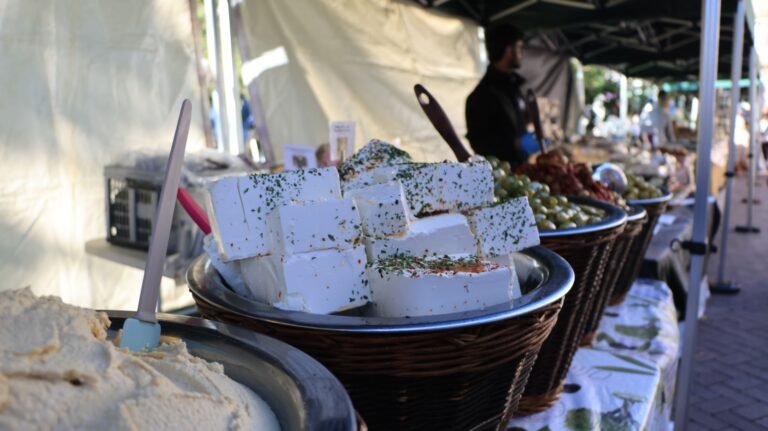
You also come across their products at local markets, including the market in Pedreguer, and that is very much part of the charm. Spain is full of these food traditions that still live not only in shops, but also in weekly markets and village life.
This is one of the reasons I love writing about food from here. It is not only about recipes. It is also about the people, the places, and the ingredients that make everyday cooking feel connected to the region.
Carnisseria Companatge
Placeta 6
03727 Xaló (Jalón), Alicante, Spain
If you ever find yourself in this part of the Costa Blanca, it is well worth a stop.
What Do Spanish Sausages Taste Like?
Spanish sausages can vary enormously, but a few broad flavor patterns are helpful.
Chorizo is smoky, savory, garlicky, and often paprika-rich.
Sobrasada is softer, richer, and more intensely spreadable, with a deep paprika warmth.
Fuet and salchichón are generally gentler and more subtle, often driven by black pepper rather than paprika.
Morcilla is earthy and rich.
Longaniza can go in many different directions depending on the region and seasoning.
This variety is one of the reasons Spanish sausage is such a pleasure to explore.
How to Use Spanish Chorizo and Other Sausages in Cooking
One of the nicest things about Spanish sausages is how flexible they are.
For tapas
Cured chorizo, fuet, and salchichón can simply be sliced and served with olives, cheese, almonds, and bread.
This is probably the easiest and most delicious introduction.
In stews and soups
Chorizo adds tremendous flavor to lentil soup, bean stews, chickpea dishes, and rustic vegetable soups.
Even a small amount can enrich the whole pot.
With eggs and potatoes
Spanish sausages pair beautifully with eggs and potatoes.
Try chorizo with fried potatoes, in an omelet, or folded through scrambled eggs.
In rice dishes
Chorizo can be used in certain rice dishes, although it is not traditional in every paella-style recipe.
It works especially well in rustic rice dishes, baked rice, or one-pan meals.
On bread and toast
Sobrasada is wonderful spread on toast. It can also be paired with honey, roasted peppers, or soft cheese.
In pasta or sauces
Small amounts of chorizo or sobrasada can transform a tomato sauce, cream sauce, or even a simple pan of sautéed vegetables.
On a charcuterie board
Fuet, salchichón, and cured chorizo are all excellent additions to a Mediterranean-style board.
How to Buy Spanish Sausages
If you are new to Spanish sausages, here are a few simple tips.
First, check whether the sausage is fresh or cured. This tells you whether it should be cooked or can be eaten as it is.
Second, look for labels such as dulce or picante so you know whether the flavor will be mild or spicy.
Third, do not be afraid to buy from a butcher’s shop or market stall if you have the opportunity. These are often the best places to discover products with real character.
And finally, remember that regional variation is part of the joy. You may try two sausages with similar names and find they are quite different.
That is not a problem. It is part of the story.
How to Store Them
Cured sausages such as fuet, salchichón, and cured chorizo should be stored according to the packaging instructions. Once cut, they are usually best wrapped well and kept cool.
Fresh sausages should be refrigerated and cooked within a short time.
Sobrasada should also be kept properly wrapped, and once opened, it is best enjoyed within a reasonable period so that it retains its quality.
Always follow the instructions of the producer, especially for artisan products.
Frequently Asked Questions About Spanish Sausages
Is Spanish chorizo spicy?
Sometimes, but not always. Chorizo dulce is mild, while chorizo picante has more heat.
Can you eat Spanish chorizo raw?
Cured Spanish chorizo is usually ready to eat. Fresh chorizo must be cooked.
Is sobrasada the same as chorizo?
No. Both are pork sausages often seasoned with paprika, but sobrasada is soft and spreadable, while chorizo is usually firmer.
What is the white coating on fuet?
This is a natural edible bloom that forms during curing. It is normal and part of the sausage’s character.
What is the best Spanish sausage for tapas?
Cured chorizo, fuet, and salchichón are all excellent choices.
A Delicious World Beyond Chorizo
Chorizo may be the best-known Spanish sausage, but it is only the beginning.
Once you start exploring sobrasada, salchichón, fuet, morcilla, longaniza, and the countless local variations found in butcher’s shops and markets, you realize that Spanish sausage-making is a whole culinary world in itself.
For me, that is part of the beauty of living and cooking in Spain. The familiar and the unexpected sit side by side. One day you pick up a simple cured chorizo for lunch, and the next you discover a village butcher making sausages with orange and almonds.
And somehow, both belong perfectly to the same landscape.