There’s something irresistible about a beautiful ball of burrata. At first glance, it looks like ordinary mozzarella. But cut into it, and a wonderfully rich, creamy filling spills onto your plate.
It’s one of my favorite Italian ingredients, especially when tomatoes are at their sweetest and all you need is a little good olive oil, fresh basil, and crusty bread.
But what exactly is burrata? How is it different from mozzarella? And why does the quality vary so much from one producer to another?
Let’s discover what makes this beautiful cheese so special.
What Is Burrata?
Burrata (pronounced boo-RAH-tah) is a fresh Italian cheese traditionally made from cow’s milk.
It consists of two completely different textures.
The outside is a delicate pouch of stretched-curd cheese, similar to mozzarella. Inside is a wonderfully creamy mixture of shredded cheese and cream called stracciatella.
The name burrata comes from the Italian word burro, meaning butter, referring to its rich, buttery character.
Unlike aged cheeses such as Parmigiano Reggiano or Pecorino Romano, burrata is intended to be enjoyed fresh.
Its flavor is mild, milky, buttery, and slightly sweet, with a delicate freshness that makes it particularly delicious alongside tomatoes, grilled vegetables, and good bread.
The Story of Burrata: From Puglia to the World
Burrata originated in Puglia, the beautiful region forming the heel of Italy’s boot.
More specifically, its history is closely associated with the town of Andria.
According to local tradition, burrata was invented in the early twentieth century by a cheesemaker named Lorenzo Bianchino.
The story goes that heavy snowfall made transporting milk difficult. Rather than waste the milk and cream, he found a way to preserve them by enclosing a mixture of cream and shredded stretched-curd cheese inside a pouch made from the same cheese.
Whether every detail of the story is historically accurate is difficult to establish, but it beautifully reflects a traditional Italian approach to food: making something wonderful from simple ingredients and wasting as little as possible.
Today, burrata is enjoyed far beyond Puglia, appearing on restaurant menus from Rome to New York.
Yet its roots remain unmistakably Italian.
How Is Burrata Made?
Making traditional burrata requires considerable skill.
The process begins with milk that is coagulated to form curds.
These curds are then heated and stretched to create pasta filata, the elastic cheese used to make mozzarella and related cheeses.
The cheesemaker divides the stretched curd into two portions.
One portion is shaped into a thin, flexible pouch.
The other is shredded into delicate strands and mixed with cream to create stracciatella.
The creamy mixture is spooned inside the pouch, which is carefully gathered and closed at the top.
The finished cheese looks like a little white parcel, concealing its luxurious filling.
It might sound simple, but creating a thin, elastic casing that holds the filling without tearing requires practice and experience.
Burrata vs. Mozzarella: What’s the Difference?
Although burrata and mozzarella are closely related, they’re not the same cheese.
Mozzarella
Mozzarella is a fresh stretched-curd cheese with a soft, elastic texture.
It has a delicate, milky flavor and can be made from cow’s milk or buffalo milk.
When cut, mozzarella may release some moisture, but it doesn’t contain a separate creamy filling.
It’s wonderfully versatile and can be enjoyed fresh or used in cooking.
Burrata
Burrata has a similar stretched-curd outer layer, but its center is filled with cream and shredded cheese.
That makes it significantly richer and softer than ordinary mozzarella.
When fresh burrata is cut open, the creamy filling should be visible immediately.
Burrata is particularly enjoyable when served fresh, where its contrast of textures can really shine.
Mozzarella di Bufala
Mozzarella di Bufala Campana is a protected Italian cheese made from water buffalo milk.
It is often richer and more intensely flavored than standard cow’s milk mozzarella, but it still doesn’t have burrata’s characteristic stracciatella filling.
Traditional Burrata di Andria IGP is made with cow’s milk, although other burrata-style cheeses may be produced using different milk varieties.
What Is Stracciatella?
This is the part of burrata that makes people fall in love with it.
Stracciatella is the creamy mixture hidden inside the cheese.
It’s made from delicate strands of stretched-curd cheese mixed with cream.
The word comes from the Italian verb stracciare, meaning to tear or shred.
And that’s exactly how the cheese strands are traditionally prepared.
Stracciatella is also sold separately, usually in small containers.
If you love the creamy center of burrata more than the outer casing, buying stracciatella on its own is an excellent idea.
Spoon it over freshly cooked pasta, spread it onto toasted sourdough, or serve it alongside roasted tomatoes.
Just don’t confuse it with stracciatella soup or stracciatella gelato. They share a name but are completely different foods.
What Is Burrata di Andria IGP?
Not every cheese labeled burrata comes from Italy.
Burrata is now produced in several countries, and the general name itself isn’t restricted to one geographical area.
However, Burrata di Andria IGP is a protected geographical indication recognized by the European Union.
IGP stands for Indicazione Geografica Protetta, meaning Protected Geographical Indication (PGI).
For a cheese to carry this designation, it must comply with specific production requirements and be made and packaged within the designated area of Puglia.
The official specification describes a cow’s milk cheese with a stretched-curd outer pouch and a filling of hand-shredded pasta filata mixed with cream.
The product is also subject to requirements concerning its appearance, composition, and production.
If you’re looking for traditional regional burrata, the IGP designation is a useful place to start.
That doesn’t mean every burrata without IGP certification is inferior. Excellent fresh burrata can also be made by skilled producers elsewhere.
How to Recognize Good Burrata
When shopping for burrata, freshness matters enormously.
Unlike hard cheeses that can mature for months or years, burrata has a relatively short shelf life.
Here are the things I look for.
1. A Fresh, Milky Aroma
Good burrata should smell pleasantly fresh and dairy-like.
A sour, unpleasant, or otherwise unusual smell may indicate that the cheese is no longer at its best.
2. A Soft, Delicate Outer Layer
The outer pouch should feel tender, not excessively tough or rubbery.
Some firmness is normal because the casing is made from stretched curd, but a very thick, chewy exterior can make the cheese less enjoyable.
3. A Beautifully Creamy Center
When opened, good burrata reveals its characteristic mixture of cream and delicate cheese strands.
The precise consistency depends on the producer.
Some burrata has a flowing center, while others are slightly thicker and more substantial.
4. Clear Storage Information
Buy burrata from a retailer that keeps it properly refrigerated.
Check the use-by date, packaging integrity, and storage instructions.
If you’re buying traditional Burrata di Andria IGP, look for the relevant protected geographical indication marking.
How to Serve Burrata Properly
This is where a little attention makes a big difference.
Burrata tastes wonderful when its delicate flavors aren’t hidden beneath too many ingredients.
Take the Chill Off
Burrata is usually more flavorful when it isn’t ice-cold.
I like to remove it from the refrigerator shortly before serving, giving it about 15–20 minutes to lose some of its chill.
Keep it refrigerated until then, and don’t leave fresh cheese standing at room temperature for extended periods.
Drain It Gently
Remove the burrata from its packaging liquid and allow any excess liquid to drain away.
There’s no need to squeeze it or cut it open beforehand.
Add Good Olive Oil
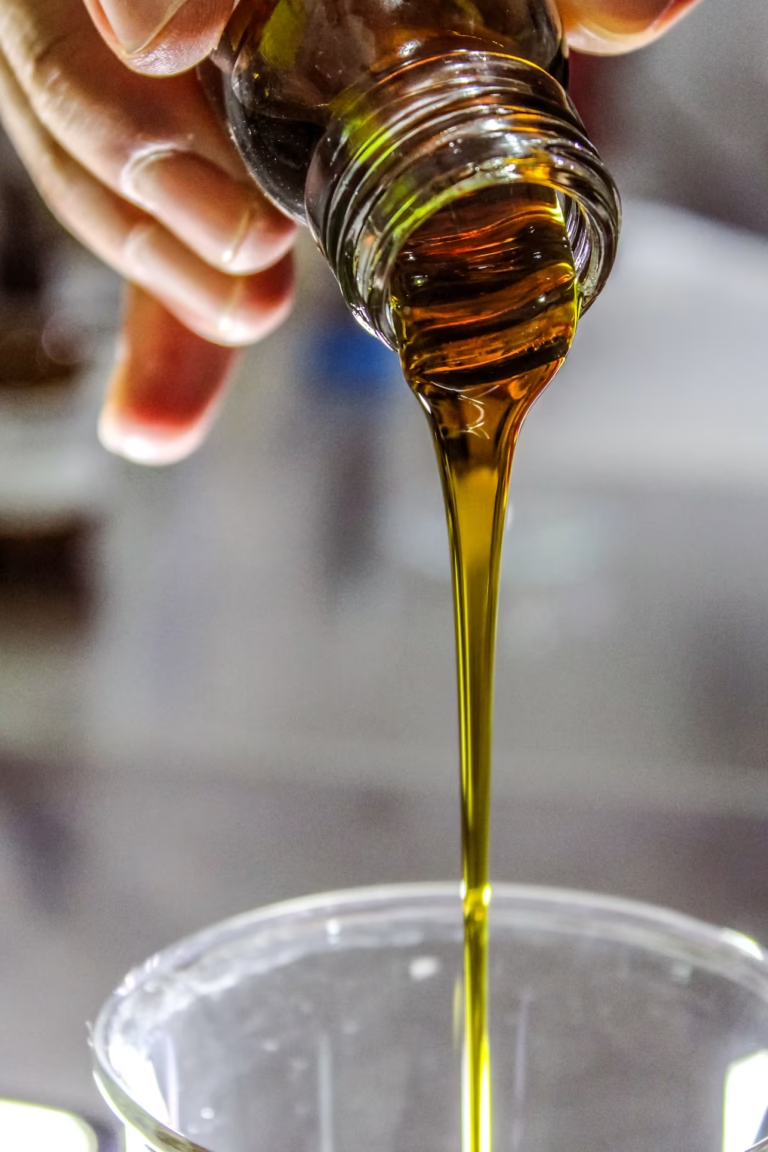
A little extra virgin olive oil is one of the simplest and most delicious accompaniments.
A fruity Arbequina can be beautiful with burrata, while a more peppery oil creates a lovely contrast with its creamy texture.
Season at the Last Moment
A little flaky sea salt and freshly ground black pepper may be all you need.
Add fresh basil, a few ripe tomatoes, and some crusty bread, and lunch is practically ready.
Cut It Open Just Before Serving
Part of the pleasure of burrata is cutting into it at the table.
Once opened, the creamy filling spreads naturally across the plate.
It’s beautiful, delicious, and doesn’t require any complicated presentation.
Seven Delicious Ways to Eat Burrata
Burrata is wonderfully versatile, but I think it’s at its best when the other ingredients complement rather than overpower it.
1. Burrata with tomatoes and basil
Use the ripest tomatoes you can find, a generous drizzle of extra virgin olive oil, and a little sea salt.
2. Burrata with roasted peaches
Sweet roasted peaches, burrata, a little honey, and fresh thyme make a beautiful summer starter.
3. Burrata with grilled courgettes
Arrange warm grilled courgettes on a platter with lemon zest, olive oil, and fresh herbs. Place the burrata on top.
4. Burrata with prosciutto
Serve with good-quality prosciutto crudo, ripe melon or figs, and a little freshly ground pepper.
5. Burrata with roasted peppers
Sweet roasted red peppers and creamy burrata are a wonderful combination, especially with garlic and basil.
6. Burrata on pizza
Bake your pizza as usual, then add torn burrata after removing it from the oven. The residual heat softens the cheese without destroying its creamy texture.
7. Burrata with warm pasta
Toss freshly cooked pasta with tomatoes, olive oil, garlic, or a simple vegetable sauce. Add burrata just before serving and let the warmth soften the filling.
Can You Cook with Burrata?
Yes, but burrata behaves differently from mozzarella.
The creamy filling can separate when exposed to too much heat, and the cheese loses some of its distinctive texture.
That’s why I prefer adding burrata to hot dishes at the very end.
For pizza, let the baked crust cool slightly before adding the cheese.
For pasta, place the burrata on top just before serving rather than simmering it in the sauce.
If you need a cheese that melts and stretches beautifully during cooking, regular mozzarella is usually a more practical choice.
How to Store Burrata
Burrata is a highly perishable fresh dairy product.
Keep it refrigerated according to the instructions on the packaging, usually in its original liquid until you’re ready to serve it.
Always respect the use-by date.
Once opened, burrata is best eaten immediately. If the packaging gives instructions for storing leftovers, follow them carefully and keep any leftovers refrigerated.
Freezing is generally not recommended when you want to preserve its characteristic creamy texture.
After thawing, the filling may separate and become watery or grainy.
Because some burrata is made with raw milk, anyone who needs to avoid unpasteurized dairy products should check the label carefully. This is particularly important during pregnancy.
Is Burrata Healthy?
Burrata provides protein and calcium, but it’s also a rich cheese because of its cream-filled center.
Its nutritional values vary depending on the producer and recipe.
Compared with many ordinary fresh mozzarella products, burrata will often contain more fat and calories.
That doesn’t mean you need to avoid it. It simply makes sense to enjoy it as part of a varied diet and consider portion size.
A beautiful burrata shared between two people, served with ripe tomatoes, grilled vegetables, and good bread, can make a lovely Mediterranean meal.
Can You Substitute Mozzarella for Burrata?
Absolutely, although the result will be different.
Fresh mozzarella is the most practical substitute when you need the shape and milky flavor of burrata.
For a creamier effect, you can pair torn mozzarella with a little fresh cream, although this won’t perfectly reproduce traditional burrata.
If you can find fresh stracciatella, that’s an excellent alternative when the creamy texture is the most important part of your dish.
For salads, fresh mozzarella works beautifully.
For finishing warm pasta or spreading onto bread, stracciatella may be even closer to what you’re looking for.
A Few Common Burrata Mistakes
There are a few things that can prevent this beautiful cheese from tasting its best.
Serving it straight from a very cold refrigerator. Its delicate flavor can seem muted.
Cooking it for too long. Too much heat changes the texture of the filling.
Using too many strong ingredients. Burrata is rich but mild, so heavily flavored sauces can easily overwhelm it.
Buying it too far in advance. Freshness is part of what makes burrata special.
Cutting it open too early. The filling is best enjoyed when freshly released from the pouch.
A Little Taste of Puglia
What I love about burrata is how something so simple can feel so special.
Milk, cream, and generations of cheesemaking knowledge come together to create a cheese that’s unlike anything else.
And really, there’s no need to do very much with it.
A few ripe tomatoes, some fresh basil, a little beautiful olive oil, and good bread are often enough.
That’s one of the things I admire most about Italian cooking: knowing when a wonderful ingredient deserves to be left almost entirely alone.
Until next time, happy cooking!
— Isabeau