Hi friends! Twice a year, we pack up the car and head to France on a mission: to stock up on ingredients. We load up on things you just can’t find at home, and near the top of the list are onions. Specifically, two French beauties called Roscoff and Cévennes, plus a good supply of shallots. (And smoked garlic, of course, but that’s a story for another day!)
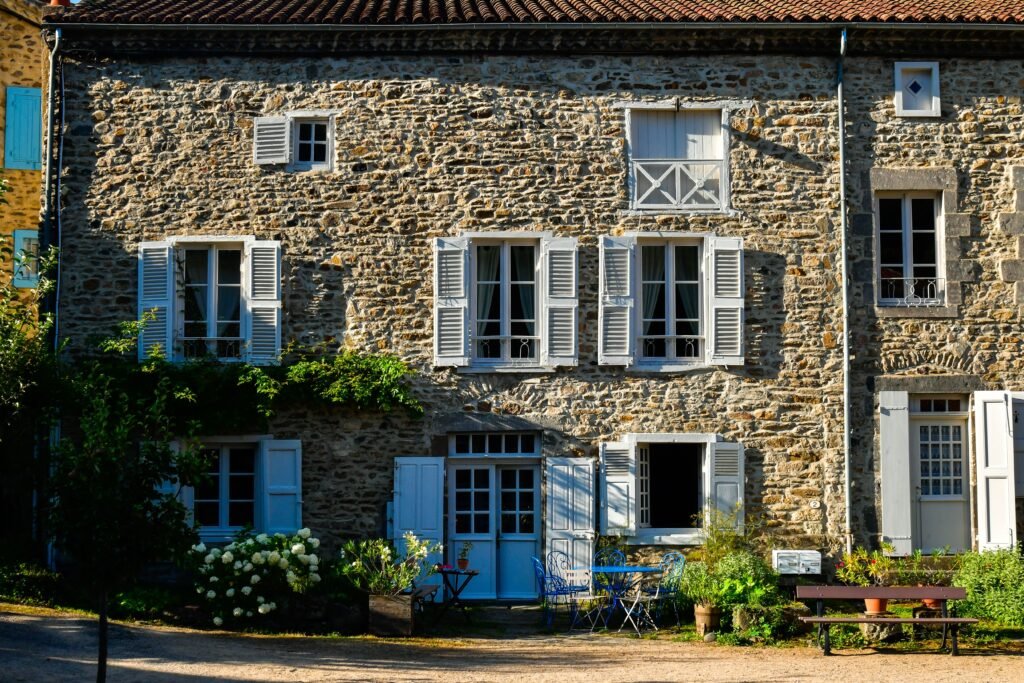
Here’s how it goes. These onions are only available for a limited time each year, so when we spot them in the supermarkets, we load up. Auchan and E.Leclerc are our go-to stops. We make a little getaway out of it, too: we always stay one night, usually in a cozy chambre d’hôtes (the French version of a bed and breakfast), and we plan dinner at a lovely little restaurant. It’s become our favorite ritual, and honestly, the onions are just the excuse.
Today I want to share what makes these onions so special, how to cook with each one, and what to use if you can’t get your hands on them. Let’s dig in!
First, the Everyday Crew
Before we head to France, a quick refresher on the onions you can find at any grocery store:
- Yellow onions: the all-purpose workhorse. Great for soups, stews, and caramelizing.
- Red onions: crisp and a little sharp. Best raw in salads and sandwiches, or quick-pickled.
- White onions: crunchy and clean-tasting, with a sharper bite. Lovely in salsas and fresh dishes.
- Sweet onions (like Vidalia): mild and juicy, wonderful raw or in onion rings.
Good to know, but the onions from our French trips are a whole other level. Let’s meet them.
Roscoff Onions: The Pink Beauties of Brittany
Roscoff onions come from the coast of Brittany, in the north of France. They have a pretty pinkish-copper skin and pale flesh with a hint of rose. They hold two protected labels: AOC since 2009 and AOP since 2013, which means only onions grown in a specific area around Roscoff can use the name.
The story: Legend says a monk brought the first seeds from Portugal in the 1600s. In the 1800s, farmers from the area started sailing to England with their harvest. They became known as the “Onion Johnnies,” cycling from door to door with strings of onions hanging from their bicycles. At the height of it, in the 1920s, well over a thousand Johnnies were selling thousands of tons of onions a year. There’s even a museum in Roscoff dedicated to them, and an onion festival every August.
The taste: Mild, sweet, and a little piquant when raw, with a fruity aroma that reminds people of apple or pear. When cooked, they turn silky and caramel-like. One shopper at the festival described them as “a little caramel,” and I couldn’t say it better.
What to cook with them:
- Raw: thinly sliced in salads, on sandwiches, or finely chopped over oysters
- Caramelized: on tarts, pizza, burgers, or tartines with goat cheese
- Roasted: whole or halved with olive oil and thyme
- Soups: a French onion soup with a naturally sweet base
They’re sold in braided strings, and they keep for months in a cool, dry spot, which is why we can stock up.
Can’t find them? Use a sweet onion or a mild red onion. Neither will have quite the same fruity finish, but you’ll get the same sweetness and crunch.
Cévennes Onions: The Sweet Ones from the Terraces
If Roscoff onions are the charmers of the coast, Cévennes onions are the quiet stars of the mountains. They’re grown on steep, hand-built terraces in the southern Cévennes, in the Gard region. They earned AOC status in 2003 and AOP in 2008, and the terraces mean almost everything is done by hand, from planting to harvest, which takes place in late summer.
The taste: Pearly white, glossy, and remarkably mild. They have no sharpness and no bitterness at all, so you can eat them raw. When cooked, they turn creamy and take on a lovely hint of toasted, chestnut-like flavor.
What to cook with them:
- Slow-roasted or candied: cooked low and slow in the oven with olive oil until jammy
- Stuffed: a classic is to hollow out large onions and fill them with sausage meat
- Soup: a gentle, naturally sweet French onion soup
- Onion confit: to spoon onto cheese, toast, or roast meats
- Raw: thin slices in a salad where you want zero bite
They also store well for several months after harvest, so they’re perfect for stocking up.
Can’t find them? A Vidalia or Walla Walla sweet onion is your closest match. Both are mild and juicy, and they roast beautifully.
A simple way to taste the difference: slow-roasted sweet onions. Peel 4 large sweet onions, trim the top and root ends flat, and nestle them in a baking dish. Drizzle with olive oil, season with salt, pepper, and a few thyme sprigs, and add a splash of water or broth to the dish. Cover with foil and roast at 375°F for about an hour, then uncover and roast 15 more minutes until golden and soft. Serve them as a side, or tuck them into a sandwich.
Shallots: The Elegant Little Allium
Shallots are the secret of French cooking. They taste like a mellow blend of onion and garlic, lighter on the palate than a regular onion, and they melt into sauces and dressings without overpowering them.
There are a few types to know:
- French red (or pink) shallots: the ones you’re most likely to find at a regular grocery store. Small, round, and reliable.
- Banana shallots (échalions): long, large, and the easiest to peel. Despite their size, they’re among the mildest.
- French grey shallots (échalote grise): the fancy one. Many chefs consider it the finest of all, with a stronger, more complex flavor, a pear-like shape, and a thick, grey-brown skin. It’s hard to find in American stores, so when we see it in France, it goes straight in the cart.
What to cook with them:
- Vinaigrettes: minced shallot in a vinaigrette is a game changer
- Pan sauces and classic French sauces: from béarnaise to wine reductions, shallots are the base
- Sautéed at the start of cooking: to build flavor in soups, risottos, and stews
- Quick-pickled: wonderful on salads, tacos, and sandwiches
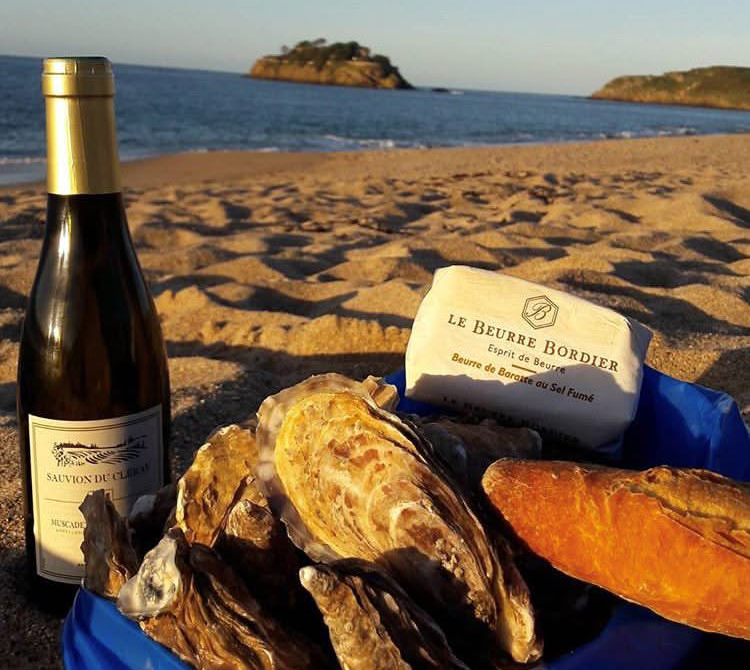
- Mignonette for oysters: minced shallot in red wine vinegar with cracked black pepper
A quick shallot mignonette: Mix ¼ cup red wine vinegar with 1 tablespoon of very finely minced shallot and a good crack of black pepper. Let it sit for 10 minutes, then spoon a little over oysters. It also makes a great dressing for steak.
Storing shallots: Keep them in a cool, dry, dark place, and they’ll last for months. Once peeled, they’ll keep for about 3 days in an airtight container in the fridge.
Quick Cheat Sheet: Which Onion for Which Job?
| If you’re making… | Reach for… |
|---|---|
| A fresh salad or sandwich | Roscoff, Cévennes, or a sweet onion |
| Caramelized onions or tarts | Roscoff or yellow onions |
| Slow-roasted or stuffed onions | Cévennes or large sweet onions |
| A vinaigrette or pan sauce | Shallots |
| French onion soup | Cévennes or Roscoff (sweet and silky) |
| Oysters or seafood | Shallots (mignonette) or Roscoff |
| Salsa or something crunchy | White or red onions |
Why We Make the Trip
I’ll admit it: you could just buy onions at the grocery store, and they’d be perfectly good. But there’s something special about bringing home the real thing, from the place where it’s grown. Each time I cook with a Cévennes onion, or slice a Roscoff onion into a salad, I think of that little chambre d’hôtes, the dinner we had the night before, and the car packed to the brim with delicious things.
If you ever find yourself in France in late summer or early fall, keep an eye out for strings of pink onions and bags of glossy white ones. Stock up, tuck them in a cool corner of your pantry, and enjoy them for months.
Next up in the “Ingredients” series: the smoked garlic I mentioned. Trust me, you’ll want to hear about that one!