Sweet, bitter, fragrant, and wonderfully complex, Spanish vermouth is one of those Mediterranean discoveries that deserves far more attention. From the traditional vermouth hour to a family winery in the Jalón Valley, here’s everything you need to know about Spain’s much-loved aperitif.
The first time I tasted vermouth, I didn’t even know I was drinking it.
Someone had added a little to a jug of sangria, and there was a wonderful herbal, slightly bitter flavor that I couldn’t quite identify.
It was different from the fruit and wine. Warmer, spicier, with something almost mysterious about it.
I remember wondering what it was.
Quite some time later, I was sitting at Rull Plaça in Xaló, a lovely village in Spain’s Vall de Pop, when I tried a glass of vermut.
And there it was.
That familiar flavor I’d been trying to identify.
I recognized it immediately.
Since then, Spanish vermouth has become one of my favorite aperitifs, particularly when autumn arrives and the evenings begin to feel a little cooler.
There’s something about those fragrant herbs, warm spices, citrus notes, and gently bitter finish that seems especially suited to the season.
And living in the Jalón Valley means we’re lucky enough to have some wonderful local vermouth practically on our doorstep.
What Is Spanish Vermouth?
Vermouth, or vermut in Spanish, is an aromatized wine.
It’s made by combining a wine base with botanical ingredients such as herbs, roots, bark, flowers, and spices. Depending on the style, it may also contain added alcohol and sweetening ingredients.
One of the most characteristic botanicals is wormwood, known as ajenjo in Spanish.
In fact, the word vermouth is derived from the German word Wermut, meaning wormwood.
But wormwood is only part of the story.
A vermouth recipe might contain orange peel, cinnamon, cloves, gentian, coriander, rosemary, or numerous other botanicals.
The precise combination is often one of the producer’s best-kept secrets.
That explains why two bottles of red vermouth can taste remarkably different.
One might be quite sweet, with aromas of orange and vanilla.
Another may have a pronounced herbal bitterness, with notes of dried fruit, cinnamon, and dark spices.
And some have a beautifully lingering finish that makes you want to take another small sip.
What Does Spanish Vermouth Taste Like?
The first thing to understand is that vermouth isn’t simply a sweet wine.
It’s much more aromatic than that.
Good Spanish red vermouth often combines several different sensations.
You might notice sweetness at first, followed by flavors of citrus peel, warming spices, and herbs.
Then comes the bitterness.
Not an unpleasant bitterness, but the kind that balances the sweetness and gives the drink its distinctive character.
Depending on the producer, you may also find flavors reminiscent of raisins, caramel, dried orange, vanilla, or aromatic roots.
This combination of sweet and bitter is precisely what makes vermouth so interesting.
It also explains why it works so well with salty foods.
Why I Love Vermouth in Autumn
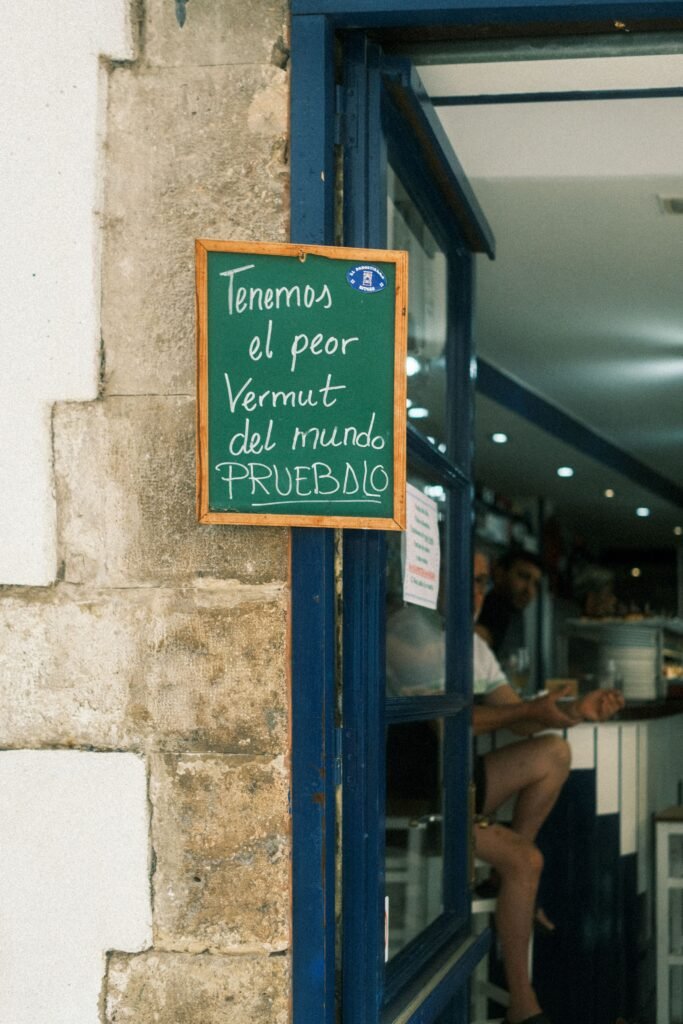
Most people associate Spanish aperitifs with warm summer afternoons and sunny terraces.
And of course, a chilled vermouth is lovely on a summer day.
But for me, autumn is when it really comes into its own.
When the days become shorter in the Vall de Pop and the intense heat of summer finally begins to soften, I find myself craving those warmer, spicier flavors.
Cinnamon, bitter orange, aromatic herbs, and the slightly earthy notes you sometimes find in a good red vermouth.
It feels wonderfully seasonal.
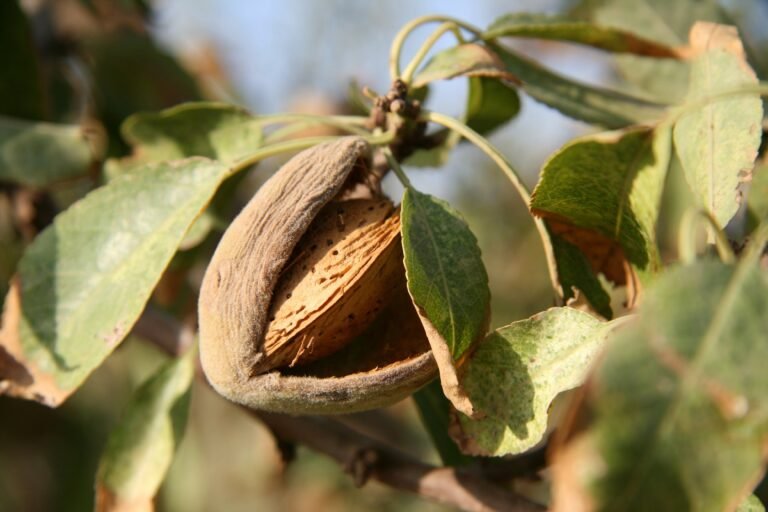
At our old farmhouse in Alcalalí, I particularly enjoy a small glass with a few olives or toasted almonds before dinner.
Nothing elaborate.
Just a little aperitif while we’re deciding what to cook.
And perhaps that’s the nicest thing about vermouth.
It’s a drink that encourages you to enjoy a moment rather than hurry through it.
Red, White, and Dry Vermouth: What’s the Difference?
Not all vermouth tastes the same, and color is only one way of distinguishing the different styles.
Red Vermouth — Vermut Rojo
Red vermouth is particularly associated with the Spanish aperitif tradition.
It is often moderately sweet, with a noticeable balance of herbal bitterness and spices.
Depending on the recipe, you may taste orange peel, cinnamon, cloves, caramel, or dried fruit.
The reddish-brown color may come partly from caramel coloring or other ingredients, rather than from red wine alone.
This is the style I usually choose.
White Vermouth — Vermut Blanco
White vermouth can range from sweet and fragrant to relatively dry.
Some examples are floral and citrusy, while others have a more pronounced herbal character.
A chilled glass with a citrus garnish can make a lovely aperitif.
Dry Vermouth
Dry vermouth contains considerably less sugar than sweet red styles.
It often has a sharper, more herbal flavor and is commonly used in classic cocktails such as the Dry Martini.
However, a good dry vermouth can also be enjoyed on its own.
Rosé Vermouth
Rosé vermouth sits somewhere between the familiar red and white styles in appearance, although sweetness and flavor depend on the individual producer.
It can be an interesting option if you enjoy trying different interpretations of this traditional drink.
La Hora del Vermut: A Spanish Tradition
In Spain, vermouth is more than a drink.
It’s also an occasion.
La hora del vermut translates as ‘vermouth hour’, and traditionally refers to the time before lunch when people meet for a small aperitif.
It’s particularly associated with weekends and Sundays.
Friends and families gather at a café, bar, or terrace to enjoy a glass of vermouth accompanied by something salty.
Perhaps olives, potato chips, anchovies, pickles, or a small plate of tapas.
The purpose isn’t necessarily to have a large drink.
It’s to enjoy the company, have something delicious, and look forward to lunch.
And I think that social tradition is one of the nicest things about Spanish food culture.
Even the expression hacer el vermut, or ‘to have vermouth’, can refer more broadly to going out for an aperitif, whether everyone orders vermouth or not.
How Do You Drink Spanish Vermouth?
You certainly don’t need a cocktail shaker or an elaborate collection of ingredients.
The traditional Spanish way is wonderfully straightforward.
Pour a small measure of chilled red vermouth into a short glass.
Add ice, if you like.
Garnish with a slice of orange or a piece of orange peel.
Some people add a green olive, while others prefer a little sparkling water or soda for a lighter drink.
Personally, I enjoy vermouth when its botanical flavors have room to shine.
Too many additions can hide the very things that make it interesting.
What Should You Serve with Vermouth?
Vermouth is particularly good with salty and slightly acidic foods.
Some of my favorite accompaniments include:
- Green or black olives
- Salted almonds
- Anchovies or boquerones
- Spanish potato chips
- Pickled vegetables
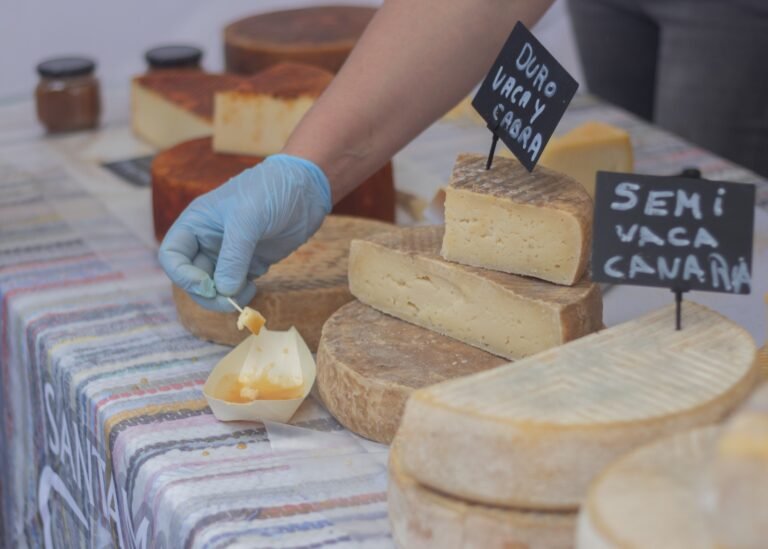
- A small plate of aged cheese
- Simple tapas
The sweetness and bitterness of the vermouth work beautifully with salty, briny flavors.
For a lovely little aperitif, a glass of red vermouth and a bowl of olives are a classic combination.
Discovering Vermouth in Xaló
Xaló, also known as Jalón, lies in the heart of the Vall de Pop in Alicante province.
It’s a village closely associated with wine, vineyards, and the region’s Moscatel grape-growing tradition.
There are several interesting bodegas in and around the area, and local wines and traditional drinks remain an important part of its identity.
For me, Xaló is also where I finally understood that intriguing flavor I’d first tasted in sangria.
That glass of vermut at Rull Plaça was something of a revelation.
What I’d taken for an unusual combination of spices turned out to be the distinctive character of vermouth.
And once I knew what I was tasting, I began noticing it everywhere.
In local bars, wine shops, and bodegas where it’s sold alongside regional wines and mistela.
Bodegas Riko: Buying Vermouth in the Jalón Valley
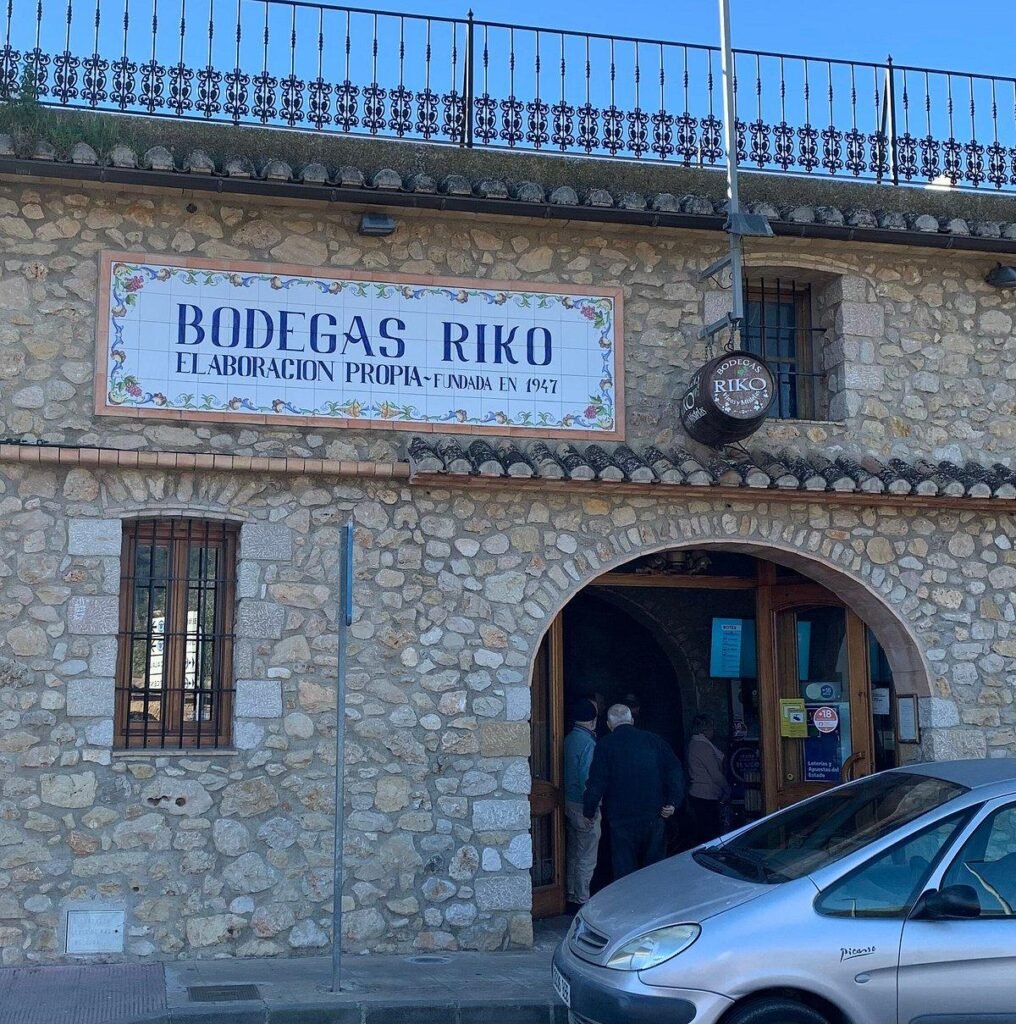
One local place worth knowing about is Bodegas Riko, a family winery in Xaló.
The winery has a fascinating history connected with the region’s vineyards.
Its family story reaches back to the early twentieth century, when Francisco Mestre Gadea returned to Xaló after spending time in Argentina.
Today, the winery continues the family tradition, producing wines and regional specialties.
But there’s one particularly charming detail I love.
You don’t have to buy vermouth in an elegant glass bottle.
Bodegas Riko also sells it in larger containers, known in Spanish as garrafas.
These are practical 2-liter and 5-liter containers, the kind of no-nonsense packaging you often find when buying local wine or traditional drinks in Spain.
It may not look particularly glamorous.
But that’s part of the appeal.
Instead of choosing something because of a beautifully designed label, you’re buying a regional product from a local winery.
Bodegas Riko describes its vermouth as wine flavored through the maceration of herbs and spices, giving it its characteristic aromas.
And if you enjoy discovering traditional food and drink, it’s a lovely place to visit while exploring the Jalón Valley.
What Is the Difference Between Vermouth and Mistela?
While exploring wineries in the Marina Alta, you’ll often see both vermouth and mistela for sale.
But they’re quite different drinks.
Vermouth is aromatized wine, flavored with botanicals that create its distinctive herbal and bitter character.
Mistela is a traditional sweet grape-based drink, made by adding alcohol to grape must before fermentation is completed or begins, preserving much of the natural grape sweetness.
In the Marina Alta, Moscatel mistela is a particularly well-known regional specialty.
Mistela generally emphasizes the sweetness and aroma of the grapes.
Vermouth, by contrast, gets much of its personality from the combination of wine, botanicals, sweetness, and bitterness.
Both belong to the region’s wine culture, but they offer very different drinking experiences.
Can You Add Vermouth to Sangria?
Absolutely, although it’s not an essential ingredient in traditional sangria recipes.
And this is where my own story began.
A little red vermouth can introduce herbal, spiced, and bitter notes that make a fruit-based wine drink taste more complex.
But because vermouth itself contains alcohol and may be sweetened, it changes both the balance and the strength of the drink.
It’s best used with care rather than poured in indiscriminately.
A small amount may be enough to add an interesting flavor without overwhelming the fruit and wine.
If you ever taste a sangria with an unexpected note of bitter orange, warm herbs, or aromatic spice, vermouth could be one possible explanation.
It certainly was in the glass I remember.
Can You Cook with Vermouth?
Yes, vermouth can also be used in cooking.
Dry white vermouth is sometimes used in place of dry white wine when preparing sauces, seafood, or poultry dishes.
Its botanical character can add interesting complexity.
Red vermouth may also work in certain rich sauces and braised dishes, although its sweetness and bitterness need to be considered.
The key is choosing a style that complements the food.
A sweet red vermouth is not a direct substitute for dry white wine.
And because the botanical flavors can be quite strong, it’s usually best to begin with a modest amount.
How Should You Store Vermouth?
One important thing to remember is that vermouth is wine-based.
It isn’t a spirit that can be left open indefinitely without affecting the flavor.
Once opened, vermouth should generally be kept tightly closed in the refrigerator.
Cold storage helps slow oxidation and preserve its delicate aromatic ingredients.
For the best flavor, plan to use an opened container within several weeks, although the exact storage life depends on the product and how it has been handled.
This is especially worth considering if you’re buying a large garrafa.
A 5-liter container can be excellent value for a gathering, but it may be more than you need for occasional drinking.
Frequently Asked Questions About Spanish Vermouth
What is Spanish vermut made from?
Spanish vermut is made from a wine base flavored with herbs, roots, spices, and other botanicals. It may also contain added alcohol, sugar, and coloring, depending on the style.
Is Spanish vermouth sweet or bitter?
Many Spanish red vermouths are both sweet and bitter. The balance varies between producers, with flavors that can include orange peel, cinnamon, cloves, wormwood, and aromatic herbs.
What is the best way to drink Spanish vermouth?
A traditional way is to serve it chilled or over ice in a short glass, sometimes garnished with orange or an olive. It is often accompanied by salty snacks.
Is vermouth the same as wine?
Vermouth is wine-based, but it is aromatized with botanicals and may also be fortified and sweetened. It has a more complex herbal character than ordinary table wine.
Is Spanish vermouth the same as Italian vermouth?
Both belong to the same family of aromatized wines, but individual styles and recipes differ. Spanish red vermouth is often associated with a sweeter, spiced aperitif style, although there are many exceptions.
What does ‘la hora del vermut’ mean?
It refers to the Spanish tradition of enjoying an aperitif before lunch, often accompanied by olives, pickles, potato chips, or other small snacks.
Can you buy vermouth in bulk in Spain?
Yes. Some wineries and traditional shops sell vermouth in larger containers. Bodegas Riko in Xaló, for example, offers 2-liter and 5-liter garrafas.
Does vermouth need to be refrigerated?
Once opened, vermouth should generally be stored in the refrigerator to help preserve its flavor and freshness.
A Taste That Always Reminds Me of Spain
It’s funny how one particular flavor can stay in your memory.
For me, it began with a glass of sangria and a spice I couldn’t identify.
Then came that moment in Xaló when I finally recognized it.
Vermouth.
Since then, I’ve come to appreciate it not only as a drink, but as part of the rhythm of Spanish life.
A small glass before lunch.
A few olives shared at a table.
A visit to a local bodega.
And when autumn arrives in the Vall de Pop, that familiar combination of herbs, citrus, and warm spices.
Sometimes the best food discoveries aren’t new recipes or unfamiliar ingredients.
Sometimes they’re simply the moment you finally understand a flavor you’ve loved all along.