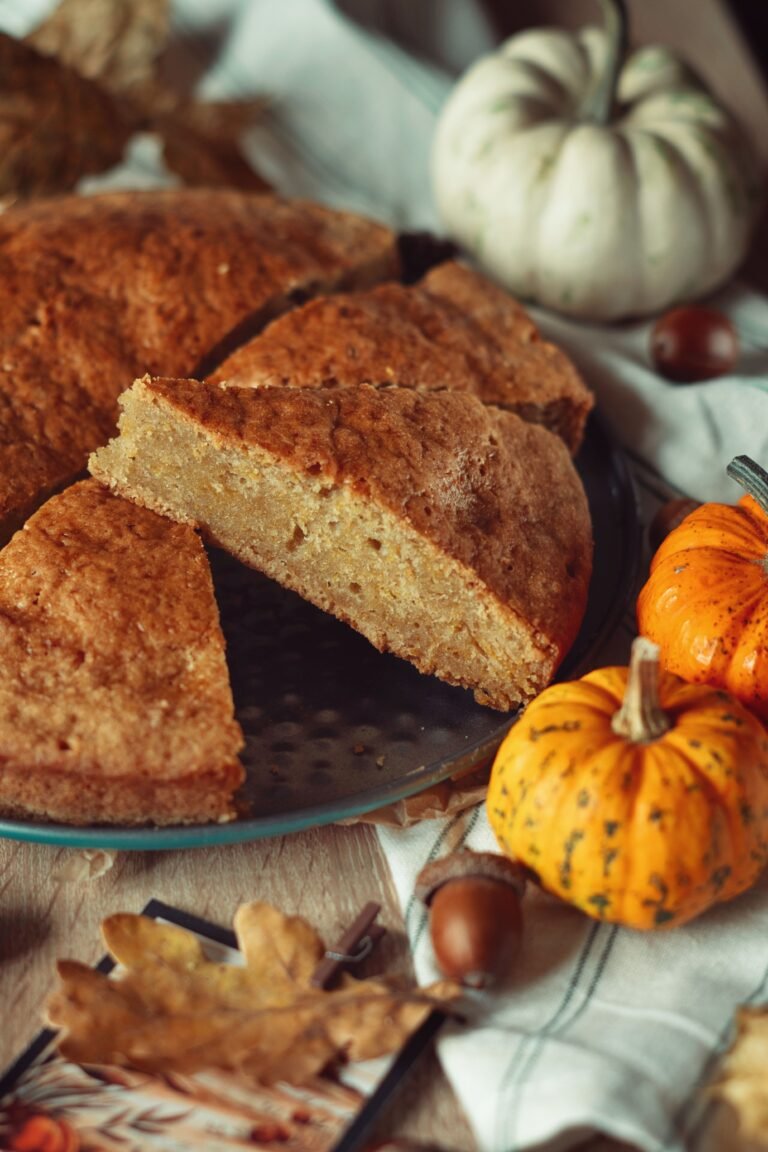
I have a soft spot for cakes that don’t need frosting, layers of cream or elaborate decorations to be delicious.
This olive oil and sweet wine cake is exactly that kind of cake.
It’s light, wonderfully soft and delicately flavored with citrus, good olive oil and Spanish Moscatel wine.
And there’s an interesting little story behind it.
From California to Our Spanish Kitchen
The inspiration for this cake comes from Chez Panisse, the famous restaurant in Berkeley, California.
An olive oil cake made with sweet Sauternes wine appeared in the restaurant’s celebrated cookbooks, and I loved the idea of combining olive oil with dessert wine in a cake.
But living in Spain, I wanted to give it a slightly different character.
So instead of French Sauternes, I use Spanish Moscatel.
Moscatel is a wonderfully aromatic sweet wine, often with notes of flowers, honey, citrus and ripe fruit. It works beautifully with olive oil and a little freshly grated lemon and orange zest.
The result is a delicate cake that’s fragrant without being overly sweet.
Why This Cake Is So Light
What makes this recipe different from an ordinary olive oil cake is the way the eggs are prepared.
The yolks are beaten with sugar, while the whites are whipped separately and gently folded into the batter.
Those whipped egg whites give the cake much of its lift.
There’s no need for a heavy frosting or buttercream. In fact, I think it tastes best when you keep things simple.
I love a slice with coffee in the afternoon, but it’s also a lovely dessert with fresh fruit and a spoonful of softly whipped cream.
And if we’re having friends over for dinner, a small glass of chilled Moscatel alongside the cake is rather nice too.
Sometimes the simplest cakes are the ones you remember.
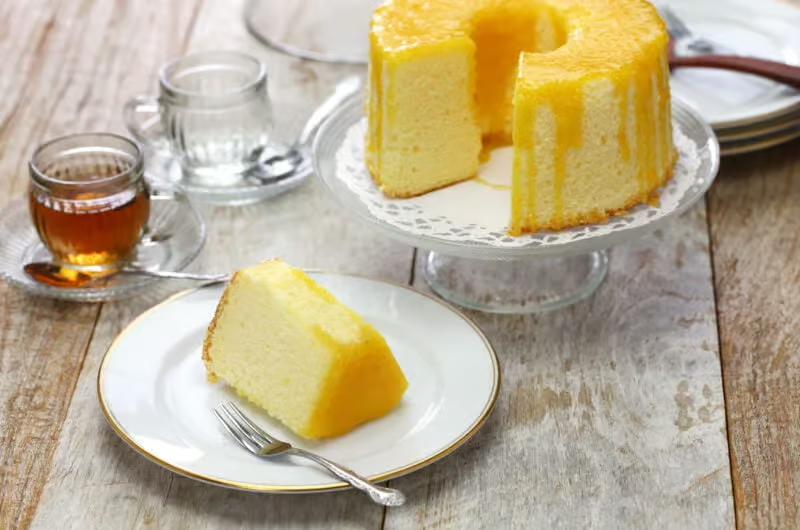
Spanish Moscatel and Olive Oil Cake
Ingredients
- 5 large eggs separated
- 2 additional large egg whites
- 150 g ¾ cup granulated sugar, divided into two equal portions of 75 g each
- 1 tbsp finely grated organic lemon and orange zest combined
- 130 g approximately 1 cup cake flour
- ¼ tsp fine sea salt
- 110 ml scant ½ cup extra virgin olive oil, preferably mild and fruity
- 120 ml ½ cup Spanish Moscatel sweet wine
- ½ tsp cream of tartar not baking powder
- **For preparing the pan**
- A little softened unsalted butter
- A little flour for dusting
- Parchment paper
- Fresh peaches berries or sliced oranges
- Softly whipped cream
- Vanilla ice cream
- A small glass of chilled Moscatel
Method
- Preheat the oven to 190°C (375°F), conventional setting. Place an oven rack in the middle position, leaving enough space above it for the cake to rise.
- Prepare a 20 cm (8-inch) springform pan by lining the bottom with a circle of parchment paper. Lightly butter and flour the sides of the pan, tapping out any excess flour. Prepare a second circle of parchment paper, lightly buttered on one side, to place over the cake during the final resting stage if needed.
- Separate the five whole eggs, placing the yolks in a large mixing bowl and the whites in a separate, perfectly clean bowl. Add the two additional egg whites to the five whites, giving you seven egg whites in total.
- Add 75 g of the granulated sugar to the egg yolks. Beat with an electric mixer for approximately 3 minutes, until the mixture becomes thick, pale and foamy.
- Add the finely grated lemon and orange zest and gently stir it into the egg yolk mixture using a silicone spatula.
- Slowly add the olive oil, mixing gently until incorporated. Pour in the Moscatel wine and mix again, scraping down the sides and bottom of the bowl to ensure everything is evenly combined.
- Sift the cake flour together with the salt. Add it gradually to the egg yolk mixture, folding or mixing gently just until no dry flour remains. Avoid overmixing.
- Add the cream of tartar to the seven egg whites. Using clean, grease-free beaters, whisk on medium speed until the whites become foamy.
- Gradually add the remaining 75 g of sugar while continuing to whisk. Increase the speed slightly and beat until the egg whites form soft, glossy peaks that gently hold their shape. Do not beat until they become dry or stiff.
- Add approximately one-third of the whipped egg whites to the cake batter. Fold them in gently to lighten the mixture.
- Add the remaining whipped egg whites in two additions, folding carefully with a large silicone spatula. Lift the batter from the bottom of the bowl and turn it over the whites, trying to preserve as much air as possible. Continue just until no large white streaks remain.
- Pour the batter into the prepared springform pan and gently level the top with a spatula. Place the cake in the preheated oven.
- Bake according to the supplied recipe’s initial stage of 45–50 minutes, but begin checking the cake’s color and progress after approximately 30–35 minutes. If it is browning too quickly, protect the top loosely with parchment. The cake should rise and develop a golden surface.
- Reduce the oven temperature to 160°C (320°F) and continue baking for approximately 10 minutes if the cake still needs additional time. Check for doneness by inserting a wooden skewer into the center. It should come out without wet batter. Do not continue baking unnecessarily once the cake is cooked through.
- Turn off the oven. If the cake is already fully baked, cover the top loosely with the prepared parchment circle and leave it in the switched-off oven for approximately 10 minutes, following the original cooling method.
- Remove the cake from the oven and place the pan on a wire rack. Allow it to cool completely before releasing the springform ring.
- Carefully run a thin knife around the sides if necessary. Remove the cake from the pan, transfer it to a serving plate and cut into slices.
- Serve at room temperature, on its own or with fresh fruit, softly whipped cream or a scoop of vanilla ice cream.