In parts of eastern Spain, families once kept the fire burning through the night so their dead relatives could return home and warm themselves.
Not every old Spanish ghost story involves a haunted castle or a restless spirit. Some are much closer to home.
In the days surrounding All Saints’ Day, November 1, people in parts of Catalonia and Valencia believed that the souls of departed family members could return to the houses where they had once lived.
And when they arrived, they were to be welcomed.
A fire might be left burning in the hearth. A candle could guide the souls towards the house. In some places, families even left an empty place at the dinner table.
These were not necessarily frightening visitors. They were parents, grandparents, husbands, wives, and other relatives who were no longer alive, but who had not entirely disappeared from family life.
The Fire of the Souls in Pego
One of the most interesting accounts comes from Pego, a town in the Marina Alta region of Alicante, not far from the northern Costa Blanca.
Here, an old All Saints’ custom was known as the Foc de les Ànimes, or Fire of the Souls.
According to descriptions of the tradition, young people collected wood, which was used to light a communal fire in the village square at dusk.
It was a fire associated with those who had died.
While some families kept the flames alive in their own hearths, the fire in Pego brought remembrance into the heart of the village.
It’s a remarkable image: a community gathering wood and lighting a fire for people who could no longer join them.
The custom belongs to the region’s recorded folklore, although that doesn’t mean the same ceremony continues in Pego today.
An Empty Place at the Table in Granyena
Further north, in the Catalan village of Granyena, in the Segarra region, another custom was recorded.
Families kept their hearth fires burning through All Saints’ Night, believing that the souls of dead relatives might return to warm themselves.
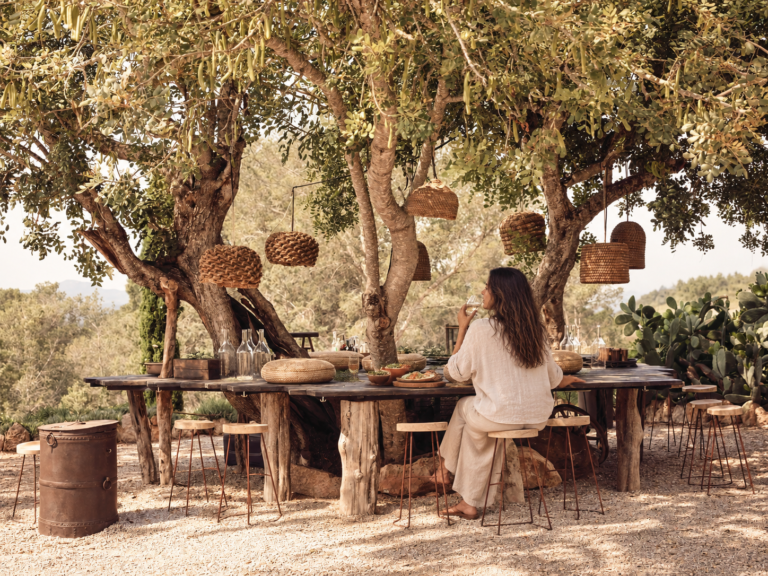
A place was also left at the table for the visitors.
There is something particularly moving about that detail.
A chair that nobody living would occupy. A place setting for someone the family still remembered. A fire kept going long after everyone else had finished their evening.
The belief in returning souls was part of a wider tradition found across Catalan-speaking communities. Some households placed lights near doors or windows, while others burned candles in rooms associated with deceased relatives.
The purpose was not always to keep spirits away.
Sometimes it was simply to make them feel welcome.
Chestnuts, Candles and All Saints’ Night
Food was also an important part of these traditions.
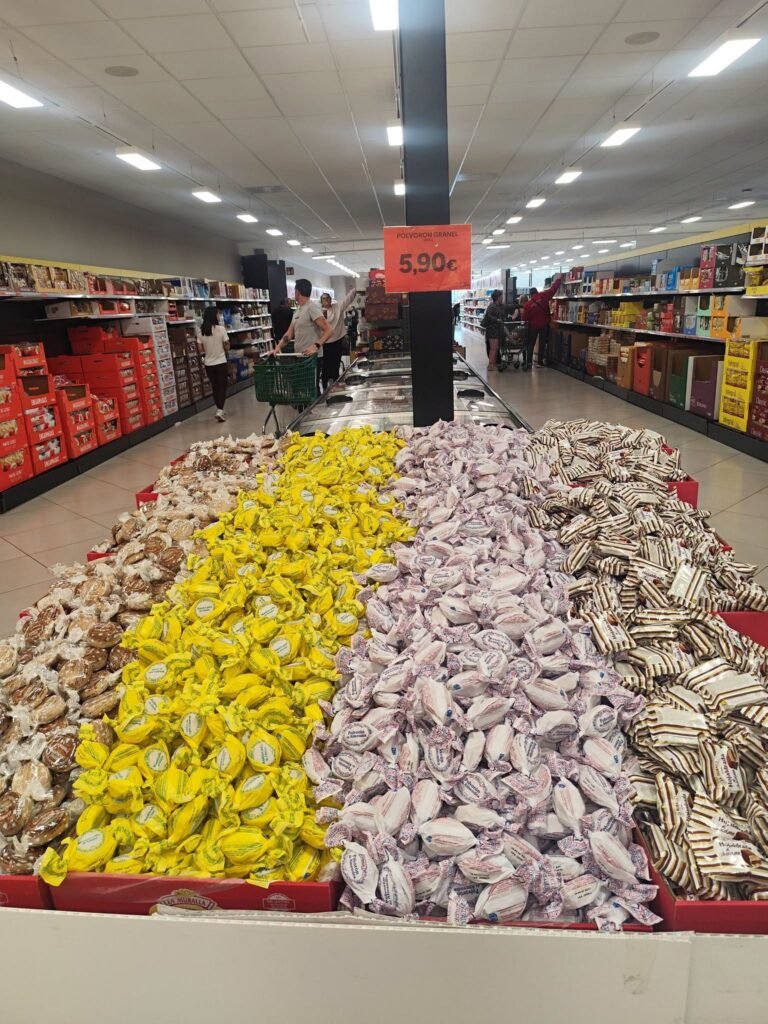
In Catalonia, the autumn celebration known as La Castanyada is closely associated with All Saints’ Day. Roasted chestnuts, sweet potatoes, and small almond sweets called panellets have long been part of the season.
Older accounts describe families leaving food for the departed, including chestnuts or a place at the table.
For children, the stories could take a more unsettling turn. Some were warned not to eat all the chestnuts because the dead might come looking for their share.
These customs existed alongside the Christian observances of All Saints’ Day on November 1 and All Souls’ Day on November 2, when families remembered the dead and visited cemeteries.
Over time, traditions changed. Some disappeared, while others survived as seasonal celebrations, family customs, or stories passed down through generations.
A Different Kind of Ghost Story
Today, the end of October is often associated with Halloween decorations, costumes, and frightening stories.
But the old traditions of the Mediterranean tell a somewhat different story.
They speak of homes where the dead were remembered as members of the family, rather than strangers to be feared.
The fire offered warmth. The candle offered light. The empty chair acknowledged someone who was missing.
Of course, these accounts tell us what people believed and practiced. They are not evidence that the dead actually returned.
But perhaps the belief itself is the most interesting part.
Imagine living in a house where your parents and grandparents had lived before you, gathering around the same hearth, preparing familiar seasonal foods, and remembering the people who had once sat beside you.
For one night each year, tradition allowed them a place at the table again.
And that brings us back to the old warning:
Don’t let the fire go out. Someone may be coming home.
Isabeau