Hola friends, do you know how to clean a artichoke? Fresh artichokes can look a little intimidating the first time. They’re covered in tough leaves, they have thorny tips, and there’s a fuzzy centre you can’t eat. The good news is that all you really need is a small knife and a lemon, and once you’ve done it a couple of times, it goes quickly.
We have several artichoke plants growing in our garden here in Spain, so we prepare them often. This guide shows you how we trim them, step by step, so they’re ready to grill, roast, fry or add to a rice dish.
What you need
- Fresh artichokes (large globe or small, tender ones)
- A small, sharp paring knife
- A lemon, cut in half
- A bowl of cold water
- A spoon, for scooping out the centre of larger artichokes
Why you need a lemon
Artichokes turn brown quickly once they’re cut, just like apples. Keep half a lemon next to you and rub every cut surface with it as you work. Squeeze a splash of lemon juice into the bowl of cold water, too, and drop each trimmed artichoke in as you finish it. This keeps them looking fresh until you cook them.
How to trim an artichoke, step by step
- Remove the tough outer leaves. Bend the dark, tough leaves around the base back until they snap off. Keep going until you reach the pale, yellow-green leaves. These are the tender ones.
- Cut off the top. Use your knife to slice off the top of the artichoke, about 1 inch (2.5 cm) on a large one. This takes away most of the spiky tips. Small artichokes need less.
- Trim the stem. Cut off the dry end of the stem. Don’t throw the stem away. Peel off the tough, dark green outer layer with your paring knife, and you’ll find a tender, tasty core inside. It cooks just like the heart.
- Peel the base. Trim around the bottom of the artichoke and remove any tough green parts, so what’s left is pale and smooth.
- Rub with lemon. Rub the cut surfaces with the lemon half straight away.
- Halve the artichoke and remove the choke. Cut the artichoke in half lengthwise. If you see a fuzzy centre, with small purple leaves, scoop it out with a spoon or the tip of your knife. This is the “choke”, and it isn’t pleasant to eat. Baby artichokes often have no choke at all, so there’s less to remove.
- Keep them in lemon water. Place each prepared artichoke in the bowl of lemon water until you’re ready to cook.
Large or small artichokes?
Both work. Large globe artichokes have more heart and need the choke removed. Small, tender artichokes are quicker to prepare, because they often have no choke and fewer tough leaves. If you’re a beginner, start with the small ones.
When you buy artichokes, choose ones that feel heavy for their size, with tightly packed leaves and no dry, split edges.
What to do with your prepared artichokes
Now that your artichokes are trimmed, you have plenty of options:
- Grill them. Our favourite way is alcachofas a la plancha: cook the artichokes briefly until tender, then grill them cut side down in a hot pan with olive oil until golden.
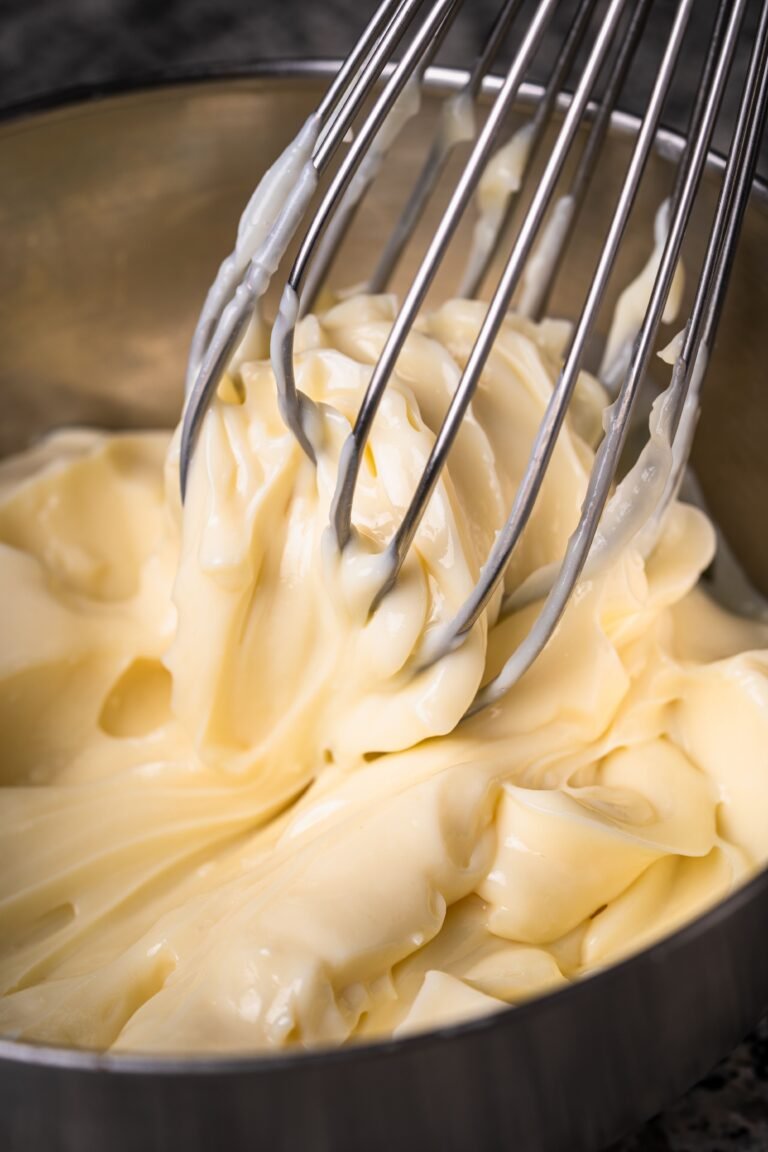
- Serve them with a dip. A spoonful of garlic aioli goes well with warm artichokes.
- Finish them with fresh lemon. Our guide to lemons explains how to choose them and how to use the zest and juice.
- Roast, fry or add them to rice dishes. In Spain, artichokes appear in all sorts of preparations when they’re in season.
Make ahead and storage
You can trim artichokes a few hours ahead. Keep them submerged in lemon water in the fridge until you’re ready to cook. The sooner you cook them after trimming, the better they look.
Frequently asked questions
Can you eat the stem of an artichoke? Yes. Peel the tough outer layer and the inside is tender and tasty. Cook it along with the heart.
What is the choke of an artichoke? It’s the fuzzy centre of a larger artichoke, together with the small purple leaves around it. It’s not good to eat, so scoop it out before cooking.
How do I stop artichokes from turning brown? Rub cut surfaces with lemon and keep the trimmed artichokes in a bowl of cold water with a splash of lemon juice.
Do baby artichokes need to be trimmed? Yes, but they’re quicker. You still need to remove the tough outer leaves and trim the stem and the top, but they often have no choke.
Can I use jarred or canned artichokes instead? For a shortcut, yes. Drain them well and pat them dry. The flavour is softer and a little tangier than fresh artichokes.