Stracotto di manzo is an Italian preparation of beef cooked slowly until exceptionally tender.
The word stracotto literally suggests meat that has been cooked for a very long time.
There are different regional variations, with recipes using red wine, stock, vegetables, tomatoes or aromatic herbs.
This version is a tomato-rich Italian-style braised beef with pancetta, rosemary and red wine.
The long cooking time allows the connective tissue in the beef to soften while the cooking liquid becomes a rich, deeply flavored sauce.
What Is the Difference Between Stracotto and Brasato?
The two preparations are closely related, and the terminology can overlap.
Brasato generally refers to meat braised slowly with liquid, often wine, and sometimes prepared as a larger piece that can be sliced.
Stracotto emphasizes particularly long cooking, with the meat becoming extremely tender.
There are regional differences, so these aren’t rigid categories.
For this recipe, I like pulling the cooked beef into large pieces and returning it to the sauce.
What Is the Best Beef for Italian Braised Beef?
Beef chuck is an excellent choice because it contains fat and connective tissue that soften during slow cooking.
Boneless chuck roast is widely available in American supermarkets.
Avoid very lean cuts such as beef tenderloin, which are better suited to quicker cooking methods.
For a dish like this, a less expensive braising cut often produces the best result.
Why Do You Brown the Meat Before Braising?
Browning develops roasted flavors on the surface of the beef.
It also creates flavorful browned bits on the bottom of the pot.
When you add the red wine and scrape those bits into the liquid, they contribute to the depth of the finished sauce.
Browning doesn’t seal the juices inside the beef, but it does improve the flavor.
Why Is My Braised Beef Still Tough?
If you’re using a suitable braising cut and the meat is still tough, it may simply need more cooking time.
Beef chuck contains connective tissue that softens gradually during prolonged cooking.
Keep the sauce at a gentle simmer, cover the pot and check the meat again after another 20–30 minutes.
The finished beef should pull apart easily with a fork.
Can I Make Italian Braised Beef in a Slow Cooker?
Yes, and it’s a particularly convenient dish for slow cooking.
I still recommend browning the pancetta and beef and reducing the wine in a pan first.
These steps build flavor that would otherwise be missing.
Once everything has been transferred to the slow cooker, the meat can cook gently for several hours with very little attention.
Remember to use less stock than you would for the stovetop version.
Should You Blend the Tomato Sauce?
You don’t have to, but I love the result.
Blending combines the softened onion, carrot and celery with the tomatoes into a smooth, velvety sauce.
If you prefer a more rustic dish, leave the vegetables as they are.
For the smooth version, always remove the beef and woody herb stems before blending.
What to Serve with Stracotto di Manzo
Creamy polenta is probably my favorite accompaniment.
A little Gorgonzola stirred into the polenta is particularly delicious with the rich tomato and red wine sauce.
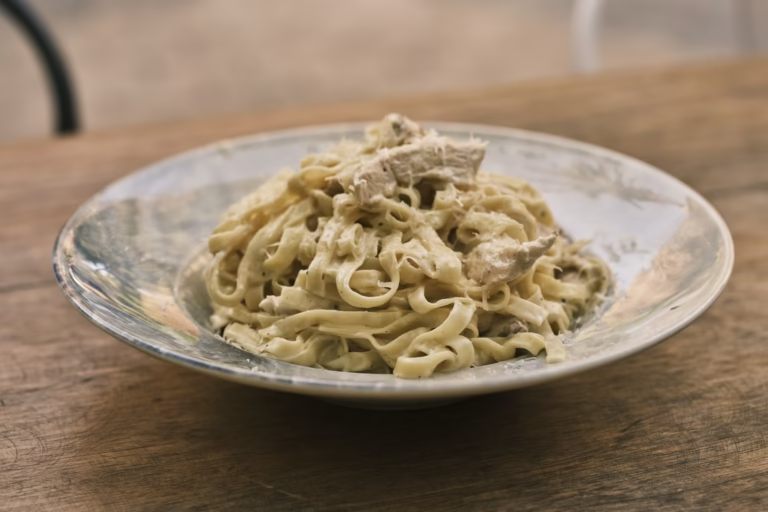
Fresh tagliatelle or pappardelle are also excellent, especially when the beef has been pulled into large pieces.
For something simpler, serve the stracotto with mashed potatoes or good Italian bread.
Whatever you choose, make sure there’s something to enjoy with that wonderful sauce.
Can You Prepare Stracotto the Day Before?
Absolutely.
In fact, this is one of my favorite dishes to make ahead when we’re having friends over.
Prepare the beef and sauce, cool them promptly and refrigerate overnight.
The next day, reheat everything thoroughly and prepare the polenta or pasta just before serving.
It makes entertaining so much easier, and you still get to serve a beautiful homemade Italian meal.
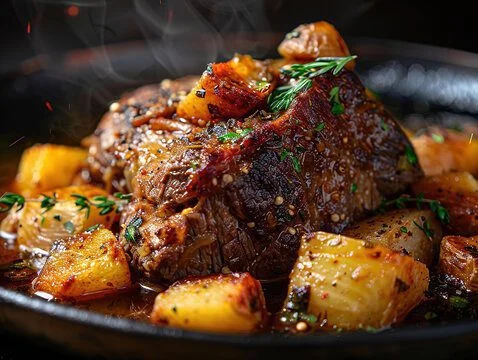
Stracotto di Manzo al Pomodoro- Italian Slow-Braised Beef with Red Wine, Pancetta and Rosemary
Ingredients
- 75 g 2.6 oz diced Italian pancetta, preferably unsmoked
- 1 kg 2.2 lb beef chuck roast, cut into 3 large pieces
- 1½ tbsp 22 ml extra virgin olive oil, plus a little extra if needed
- 1 large onion about 200 g / 7 oz, finely chopped
- 2 small carrots about 150 g / 5.3 oz, finely diced
- 2 celery stalks about 100 g / 3.5 oz, finely diced
- 2 garlic cloves finely chopped
- 2 tsp 10 g tomato paste
- 150 ml ⅔ cup dry Italian red wine
- 350 ml about 1½ cups low-sodium beef stock
- 1 can 400 g / 14 oz diced tomatoes, with their juices
- 200 ml about ¾ cup plus 1 tbsp tomato passata
- 2 sprigs fresh rosemary
- 2 sprigs fresh thyme
- 2 bay leaves
- ¼ tsp red pepper flakes optional
- 15 g 1 tbsp unsalted butter
- 1 tsp fine sea salt divided, plus more to taste
- ½ tsp freshly ground black pepper plus more to taste
- 2 tbsp chopped fresh flat-leaf parsley for serving
- Finely grated Parmigiano-Reggiano optional, for serving
Method
- Remove the beef from the refrigerator shortly before cooking while you prepare the vegetables. Dry the surface thoroughly with kitchen paper, then season the meat with approximately ¾ teaspoon of the salt and the black pepper.
- Place a large, heavy-bottomed Dutch oven over medium heat. Add the diced pancetta and cook for 5–7 minutes, stirring occasionally, until some of the fat has rendered and the pancetta is lightly golden. Transfer it to a plate, leaving the fat in the pan.
- Add the olive oil to the pan and increase the heat to medium-high. Brown the beef in batches if necessary, allowing approximately 3–4 minutes per side until deeply browned. Avoid overcrowding the pot. Transfer the beef to a plate and set aside.
- Reduce the heat to medium. Add the onion, carrot and celery to the same pot. Cook for approximately 8–10 minutes, stirring frequently, until the vegetables are softened and lightly golden.
- Add the chopped garlic and tomato paste. Stir continuously for approximately 1–2 minutes, allowing the tomato paste to darken slightly without burning.
- Pour in the red wine and scrape the bottom of the pan with a wooden spoon to release the flavorful browned bits. Simmer for approximately 3–5 minutes, until the wine has reduced by roughly half.
- Add the beef stock, diced tomatoes, passata, rosemary, thyme, bay leaves and red pepper flakes, if using. Return the pancetta to the pot and stir to combine.
- Place the browned pieces of beef back into the sauce, together with any juices that have collected on the plate. The liquid should come partway up the meat rather than completely cover it. Bring the mixture just to a gentle simmer.
- Cover with a tight-fitting lid and reduce the heat to low. Cook for approximately 2½–3 hours, turning the beef occasionally and checking that the sauce remains at a very gentle simmer. Add a small splash of stock or water if necessary.
- The beef is ready when a fork slides into it easily and the meat can be pulled apart with very little resistance. If it still feels firm, continue cooking and check again after 20–30 minutes.
- Carefully remove the beef from the pot and place it on a board or large plate. Remove and discard the rosemary stems, thyme stems and bay leaves. Allow the sauce to cool slightly before blending.
- Using an immersion blender, blend the sauce until smooth and velvety, keeping the blender head completely submerged to avoid splashing. Alternatively, blend in batches using a heat-safe blender, following the manufacturer’s instructions.
- If the sauce is too thin, simmer it uncovered over medium-low heat for approximately 10–15 minutes, stirring frequently, until it reaches your preferred consistency.
- Remove the pot from the heat and stir in the butter until melted. Taste and adjust the seasoning with the remaining salt and additional black pepper if needed.
- Using two forks, pull the beef into large, tender pieces rather than finely shredding it. Return the meat to the warm sauce and stir gently to coat.
- Serve immediately with creamy polenta, fresh tagliatelle or mashed potatoes. Finish with chopped parsley and a little freshly grated Parmigiano-Reggiano if desired.