Hi friends!
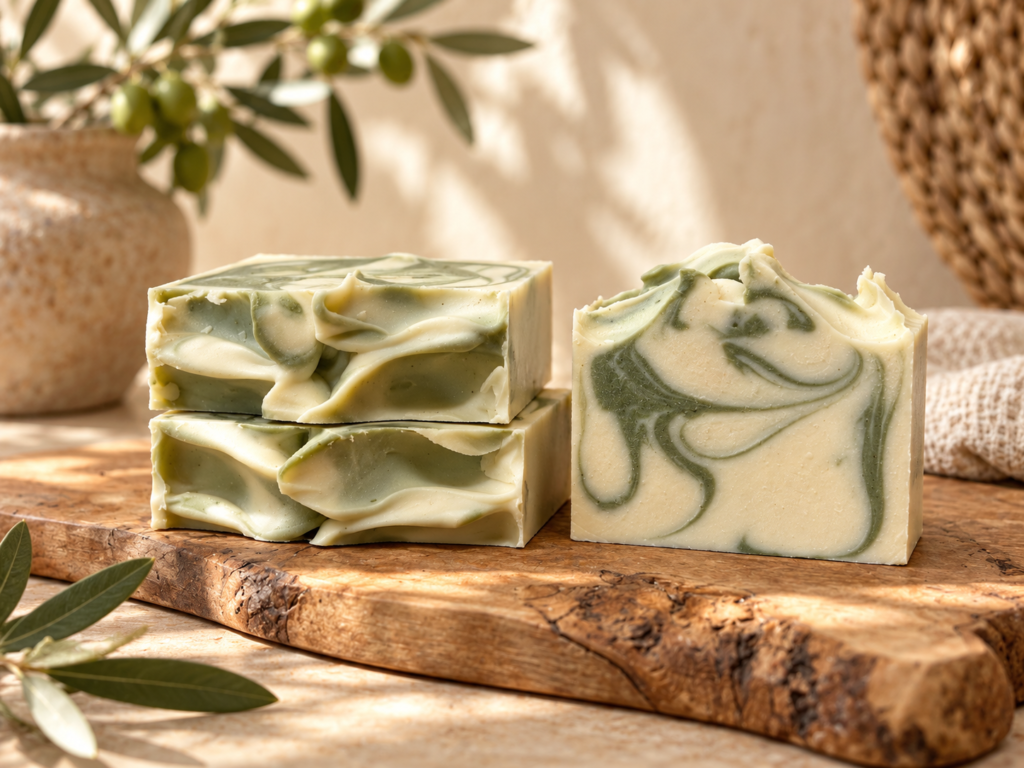
Yesterday I made soap, and this morning I cut the loaf into bars. It’s my favourite moment of the whole process. The soap is just firm enough to slice, and a pale green block turns into a neat row of bars that still need weeks of patience before they’re ready.
This is my Christmas batch. Handmade soap needs at least two months to cure, so if I want it ready for the little parcels I send to my family in the States, I have to start in October. Here in Alcalali, that’s also when the mornings turn cool and the kitchen feels like the best room in the house.
I always make the same soap: an olive oil soap with rosemary from our garden. Here is how I do it.
Why rosemary?
Rosemary is a Mediterranean plant, and in Spain it’s everywhere. It grows wild on dry hillsides, along paths and in gardens, and it stays green all year. It likes sun, poor soil and very little attention, which suits our garden perfectly. The garden is still a little wild, and the rosemary doesn’t mind at all.
In Spanish it’s called romero, and people here have been cooking with it, drying it and hanging it in their homes for as long as anyone can remember. It also contains natural antioxidants, which is one of the reasons it’s so often used to help oils stay fresh for longer.
Why I infuse the rosemary in olive oil first
I don’t put rosemary leaves straight into the soap. Instead, I let the sprigs infuse in olive oil for a few weeks.
There are a few good reasons. Leaves added directly to soap can turn brown and leave little dark flecks. Fresh plant material also holds water, and water is the enemy of oil: it’s what makes it go rancid or grow mould if it sits around. So I let the sprigs wilt on the counter for a day or two before they go into the jar, then I leave the jar on a shelf. When the oil is ready, I strain it. It carries the scent and a soft colour of the plant, without any bits.
What goes into my soap
The recipe is simple, and I’ve stayed with it for years:
- olive oil, infused with rosemary from our garden
- castor oil
- argan oil
- cacao butter
- French green clay, for a soft natural colour
I don’t use palm oil, and I haven’t missed it. And of course no animal testing..only my face.
Making day
On soap-making day, I wear gloves and glasses and open the window, because I treat the lye with respect, I don’t like that part of soapmaking but is necessary. I mix it with water, let it cool, and pour it into the oils. Then I stir until the mixture thickens to a soft, pourable batter. This is the point where I stir in the green clay. I love watching the colour change as it blends in, from pale oil to a mossy green. Sometimes I also use Rosemary Essential Oil for a more fragrant soap.
Everything goes into the mould, and I cover it and leave it to rest. The soap does the rest of the work.
Cutting day
The next day, the loaf is firm enough to slice. Each bar comes out slightly different, with its own shade of green and its own uneven edges. I wouldn’t want them any other way.
Then the waiting begins
The bars go onto a rack, with a little space between them, for at least two months. This is called curing. The water slowly evaporates, and the soap hardens and gets milder. Soap made mostly with olive oil starts out soft, so it really benefits from the extra time. It can’t be hurried, and the but the house smells faintly of rosemary the whole time, which makes the waiting easy.
By Christmas, they’ll be ready. Most will go into my little hampers, next to a small bottle of olive oil and a small bottle of moscatel, and travel overseas to the people we love. Some will go to friends and neighbours. A few, if I’m lucky, will stay with me.
A rosemary coincidence
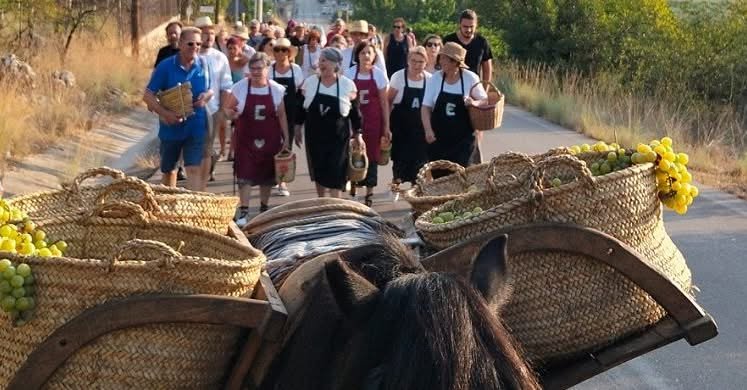
I only noticed this recently: nearby Xaló holds a Rosemary Festival every year on the last Saturday of April. People walk up into the hills to pick rosemary, and the whole village celebrates the plant. It made me smile. Here I am, making rosemary soap with rosemary from my own garden, in a part of Spain that celebrates it with a party.
Questions about homemade rosemary soap
How long does handmade soap need to cure?
At least a month or two, and longer for soaps made mostly with olive oil. I give mine two months or more.
Why use olive oil for soap?
Olive oil is the base of traditional Mediterranean soap. It makes a mild, creamy bar, and it grows right outside my door.
Why infuse rosemary in oil instead of adding the leaves?
The oil carries the scent and colour without brown flecks, and it avoids the trouble that fresh plant material can cause.
What colour is rosemary soap?
Mine is a soft, mossy green, from French green clay. If I don’t use clay, it will be a white/beige color.
Until next time, and if you ever want to know how the next batch turns out, I’ll let you know!
Isabeau