There are few things that remind me of summer in Spain quite like the smell of sardines cooking over hot charcoal.
You can find them in little seaside restaurants, at beach bars and on outdoor grills where someone is turning row after row of shiny silver fish over the fire.
They’re usually served with a little sea salt, a wedge of lemon and perhaps some bread. Nothing elaborate. And that’s exactly why I love them.
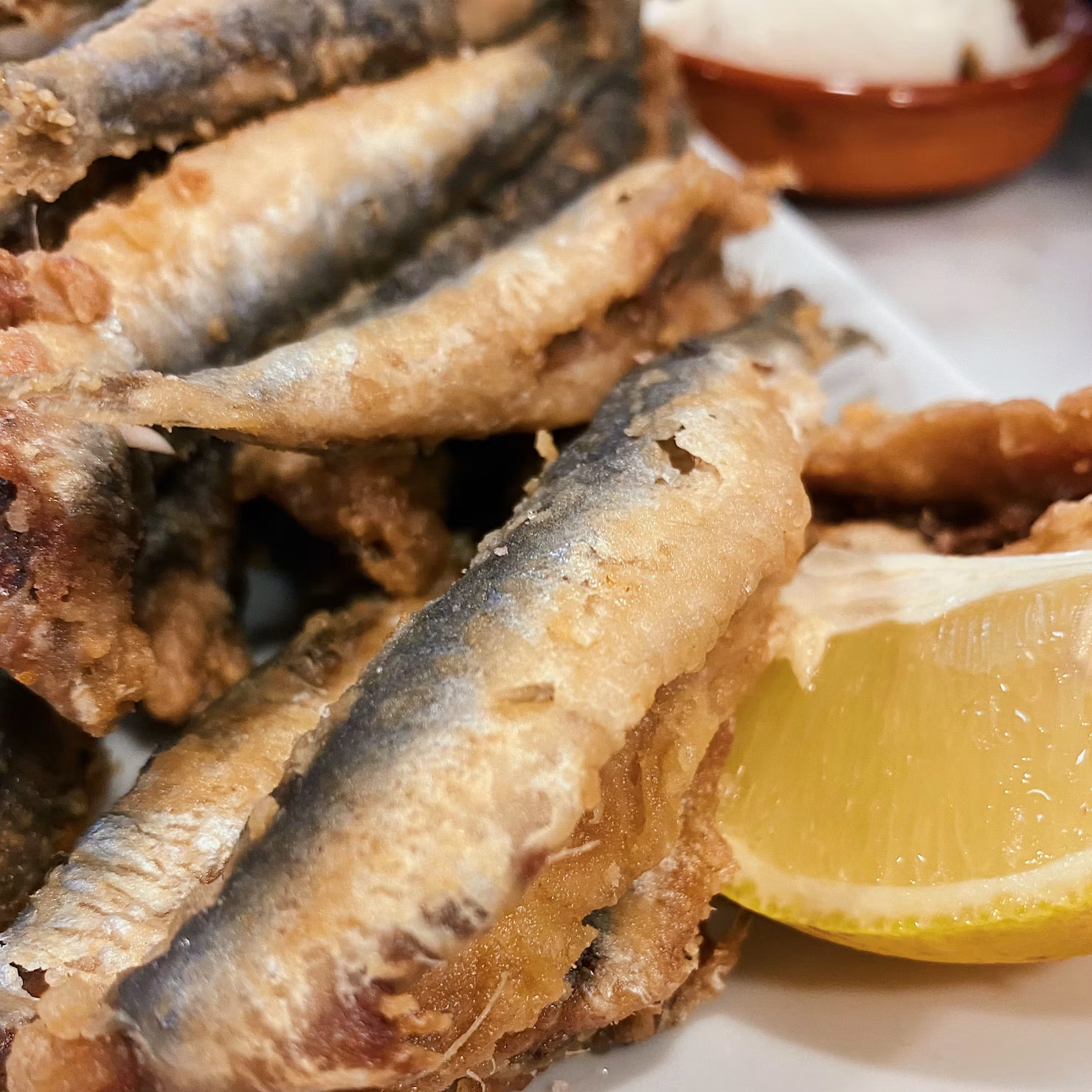
When sardines are cooked properly, the skin becomes beautifully crisp, with little golden and charred patches, while the flesh underneath stays tender and juicy.
But getting that result at home can take a little practice.
The fish sometimes sticks to the grill, the skin tears when you turn it, or the outside looks perfect while the inside is already overcooked.
Fortunately, there are a few simple things that make all the difference.
The Secret Is in the Grill, Not the Marinade
I think the biggest mistake people make with sardines is trying to do too much.
You don’t need a marinade full of garlic, herbs and lemon juice. In fact, I prefer to keep things very simple.
Fresh sardines, coarse sea salt and a properly heated barbecue are enough.
The skin needs to be dry, the grill should be clean and hot, and once the fish goes onto the grate, you need to resist the temptation to keep moving it.
A fish grilling basket is particularly useful because you can turn several sardines at once without damaging their delicate skin.
And I always save the lemon for the table. That way, the skin has a chance to become beautifully crisp before anything wet touches it.
A Little Taste of the Spanish Coast
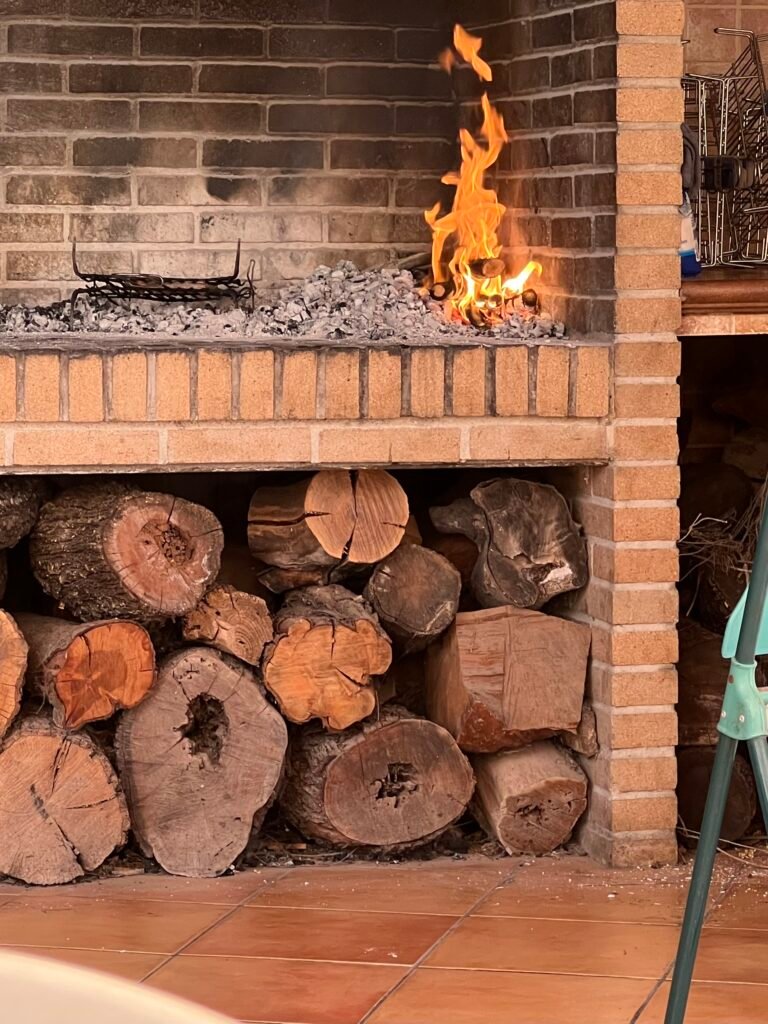
In Spain, sardines are often cooked whole, with their heads and tails still attached. Along the Andalusian coast, you may also see them threaded onto skewers and grilled beside open fires, a tradition known as espeto de sardinas.
At home, a regular charcoal barbecue works perfectly well.
I love serving them with a simple tomato salad, good bread and a little olive oil. It’s the sort of meal that doesn’t need much preparation, especially when the fish is really fresh.
And once you’ve tasted sardines straight from the barbecue, with that wonderful crisp skin and a squeeze of lemon, you’ll understand why they’re such a favorite around the Mediterranean.
Spanish Grilled Sardines with Crispy Skin
Ingredients
- 12 fresh whole sardines approximately 800 g–1 kg (1¾–2¼ lb) in total
- 1 tbsp coarse sea salt or to taste
- 1 tbsp olive oil for lightly oiling the grill grate or fish basket
- 2 lemons cut into wedges
- Fresh flat-leaf parsley
- Crusty bread
- Extra virgin olive oil
Method
- Prepare the charcoal barbecue and allow the coals to burn until they are glowing and covered with a thin layer of gray ash. Set up the grill for direct, medium-high to high heat, approximately 230–260°C (450–500°F) at grate level. You want strong, even heat without large flames reaching the fish.
- Prepare the sardines. If they have already been cleaned by your fishmonger, check that the cavities are free of any remaining innards. Otherwise, leave them whole and clean them according to your preference. Rinse briefly only if necessary, then dry the skin and cavities thoroughly with paper towels.
- Keep the sardines chilled until shortly before cooking. Just before placing them on the grill, season both sides with coarse sea salt. Brush the fish very lightly with olive oil if desired.
- Clean the hot grill grate thoroughly with a grill brush or scraper suitable for your barbecue. Lightly oil the grate using folded paper towels held with long tongs. If using a fish grilling basket, oil the inside of the basket lightly before arranging the sardines in a single layer.
- Place the sardines directly over the hot coals, leaving a little space between each fish. Grill without moving them for approximately 3–4 minutes, depending on their size.
- When the skin is golden, lightly blistered and beginning to crisp, carefully turn the sardines using a wide fish spatula. If using a grilling basket, turn the entire basket in one movement. If the skin is sticking, give it a little more time before trying again.
- Grill the second side for another 3–4 minutes, until the skin is crisp and the flesh is cooked through. The fish should be opaque and separate easily from the backbone. For a food-safety check, the thickest part should reach 63°C (145°F).
- Transfer the sardines carefully to a warm serving platter. Serve immediately with lemon wedges, crusty bread and, if desired, a little fresh parsley and extra virgin olive oil.
- Squeeze the lemon over the fish just before eating rather than before grilling, so the skin has the best chance of staying crisp.