Goodmorning! Open the cupboards in a Mediterranean kitchen, and you’ll notice something right away. There isn’t much in them. However, almost everything that’s there is good: a bottle of olive oil, a jar of anchovies, a few spices, a wedge of cheese, and a bag of rice. With those basics, a cook can make dinner in twenty minutes, even when the fridge is nearly empty.
We’ve lived this way for a while now. We spent a year in Italy, and we now live in Alcalalí in Spain. Isabeau is half French and half Spanish, and twice a year we drive to France to stock up. So this guide is our pantry, in plain terms. It covers the 25 ingredients we reach for most, and it points you to our in-depth guides for each one.
What Is a Mediterranean Pantry?
A Mediterranean pantry is a small collection of long-lasting, high-quality ingredients that work together. France, Spain, Italy, and Greece all cook differently. Even so, they share the same logic: build flavor from a few strong ingredients, and let fresh produce do the rest.
Why It Works
Most of these ingredients are preserved in some way. They’re dried, cured, salted, pickled, or packed in oil. As a result, they keep for months, and they add a lot of flavor in a small amount. Meanwhile, fresh vegetables, fish, and bread can change from week to week, because the pantry holds the cooking together.
How to Use This Guide
We’ve grouped the 25 essentials by job. First come the foundations, then the aromatics, spices, grains, jars, cheeses, and cured meats. At the end, you’ll find a short list of ten items to buy first.
The Foundations: Oil, Vinegar, and Salt
Everything starts here. If you only upgrade three things in your kitchen, make it these.
- Extra virgin olive oil. First, it’s the center of the whole region’s cooking. Our olive oil guide compares Spanish, Italian, and French oils, and it explains what to look for on the label. Keep the bottle in a cool, dark place, away from the stove.
- Sherry vinegar. It’s rich, nutty, and a little sharp. Learn how it’s made in our guide to sherry vinegar. Also, it’s wonderful in dressings, and a splash can brighten a stew.
- Balsamic vinegar. Prices range from a few dollars to a small fortune, so it helps to know what you’re buying. Our balsamic guide shows what’s worth the money.
- Fleur de sel. It’s a finishing salt, so sprinkle it on food just before serving. See fleur de sel vs. Guérande sea salt for the difference. For everyday cooking, plain sea salt works fine.
The Aromatics: Garlic, Onions, and Lemons
Almost every savory dish begins with one of these. Therefore, they’re worth keeping on hand at all times.
- Garlic. Because it comes in many types, each one tastes a little different. Our garlic guide explains how to cook with each.
- Smoked garlic. Then there’s a golden, smoky specialty from northern France. Read about it in our smoked garlic guide.
- Onions and shallots. France alone has several regional varieties. Our French onion guide covers Roscoff, Cévennes, and shallots.
- Lemons. Because the zest, the juice, and even the peel have a use, lemons earn their place. Our lemon guide covers cooking and baking.
- Oranges. Although they’re not strictly a pantry item, in Valencia they’re nearly a staple. See our guide to Valencian oranges.
Spices and Herbs
Spices are small, but they define a cuisine. Therefore, buy them in small amounts, and replace them when the aroma fades.
- Saffron. It’s the most precious spice, and also the heart of paella. What is saffron explains where it comes from and how to use it.
- Smoked paprika. For instance, Pimentón de la Vera gives chorizo its color and a lot of its flavor. Our smoked paprika guide goes into the details.
- Espelette pepper. It’s a gentle, fruity chile from the Basque Country, and here’s our Espelette pepper guide.
- Ñora peppers. They’re small, dried Spanish peppers, and they flavor rice dishes and sauces. We wrote about ñora peppers here.
- Herbes de Provence. It’s a French herb blend that also works on roasted vegetables, chicken, and grilled fish. Find out what’s really in it.
Rice, Pasta, and Pulses
Dry goods are the quiet backbone of the pantry, and besides, they’re always cheap.
- Spanish rice. Since paella needs a rice that absorbs a lot of liquid without turning mushy. Read our guide to the best rice for paella, which covers Bomba and Calasparra.
- Dried pasta. Keep a couple of shapes, such as spaghetti and a short pasta like penne. After all, pasta, olive oil, garlic, and a hard cheese make a dinner in minutes.
- Dried chickpeas and lentils. They turn into soups, stews, and salads. If you’re short on time, you can also buy them cooked in jars.
From the Jar and the Tin
This is where a Mediterranean pantry becomes fun. These ingredients turn a simple plate of bread into a meal.
- Conservas. In Spain, tinned seafood is a delicacy, while France has its own tradition. Our conservas guide shows what to buy. Anchovies belong here too.
- Olives and tapenade. Take a look at Niçoise olives and tapenade for a taste of Provence.
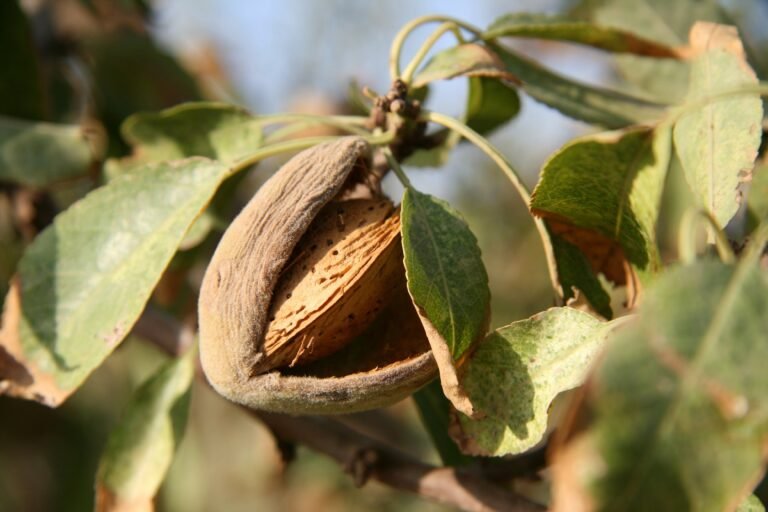
- Marcona almonds. They’re soft, buttery, and often served with a drink, so read about Marcona almonds and how to use them.
- Honey. Try a spoonful in a dressing, on cheese, or in yogurt, and see our guide to Provençal lavender honey and how to spot the real label.
- Dijon mustard. It’s a staple of vinaigrettes and sauces, so learn what makes it special and how to make your own.
Cheese, Butter, and Cured Meats
These ingredients are the expensive part of the pantry, so it pays to learn them well. Fortunately, a small piece goes a long way.
- Hard cheese. Parmigiano Reggiano is the king, and what the numbers on the rind mean is worth knowing before you buy. If you’d like a sharper taste, compare Pecorino Romano and Parmesan. Meanwhile, if you’re in Spain, try the Spanish cheeses, such as Manchego. For something tangy and Greek, there’s feta.
- Good butter. Because the French have a type for every purpose, we’ve explained them all in our French butter guide.
- Cured meats. Jamón ibérico and serrano are the stars of Spain, while Spanish chorizo and sausages are everyday staples. Italy adds guanciale, which makes carbonara special, and you can compare it with pancetta and ‘nduja.
If You Only Buy Ten Things
Twenty-five ingredients is a lot to buy at once. So if you’re starting from scratch, begin with these ten:
- Extra virgin olive oil
- Sherry vinegar
- Sea salt (and fleur de sel, when you’re ready)
- Garlic
- Lemons
- Smoked paprika
- Good rice
- Dried pasta
- A wedge of hard cheese
- A tin of good anchovies or sardines
With these, you can easily make pasta with garlic and oil, a quick rice dish, a salad with a sharp dressing, and a snack on toast. Then add the rest slowly, as you find new dishes you love.
How to Stock Up (and How to Store It All)
A good pantry grows slowly. Buy one new ingredient each time you shop, and use it before you buy the next.
Shop Smart
Look for protected labels, such as DOP (Protected Designation of Origin) and IGP (Protected Geographical Indication). They tell you where the product comes from, and they set rules for how it’s made. Also, check dates, especially on oil and spices.
Store It Well
Heat, light, and air are the enemies of a good pantry. Keep oil and spices in a cool, dark cupboard, away from the stove. Wrap cheese in wax or parchment paper. Store cured meats according to the label, because whole and sliced pieces keep differently.
Our Own Habit
We buy what we can in Spain, and twice a year, we stock up on French ingredients in France. Then we use them slowly, because we’d rather cook than hoard. In other words, our pantry is never complete, and we like it that way. After all, the best pantry is one that you actually cook from.