We have several artichoke plants growing in our garden here in Spain, and I have to admit, I love them just as much for their looks as for their flavor. There’s something so beautiful about an artichoke: those tightly layered leaves, the shades of green and sometimes purple, the almost architectural shape of the whole thing. Sometimes I pick a few and arrange them in a shallow bowl on the kitchen counter. They look wonderful on their own, no flowers needed.
Of course, they don’t stay there forever. Sooner or later they end up in the kitchen for something delicious, and one of my favorite ways to cook them is alcachofas a la plancha, or Spanish grilled artichokes.
Artichoke Season in Spain
When artichokes are in season, you see them everywhere in Spain. They’re piled high at market stalls, displayed outside greengrocers and written on restaurant menus in every preparation you can think of. You’ll find them fried until crisp, simmered with ham, stirred into rice dishes and, of course, cooked on a hot plancha.
I love the simplicity of grilled artichokes most. The artichokes are cooked until tender, then placed cut side down on a very hot grill pan with good olive oil. The flat surface turns golden and lightly caramelized, while the inside stays soft and almost creamy. A squeeze of fresh lemon, some coarse sea salt and freshly ground black pepper are all they need.
What Is a la Plancha?
A la plancha simply means “on the griddle”. In Spain, a plancha is a flat, very hot metal surface, and it’s used for everything from prawns to mushrooms to vegetables. You don’t need a special one at home. A heavy cast-iron grill pan or skillet does the job very well. The trick is high heat and a little patience, so the cut side can brown properly before you turn it.
The Secret Is Preparing Them Properly
If you’ve never cooked fresh artichokes before, they can look a little intimidating. You have to remove the tough outer leaves, trim the stems and, with larger artichokes, scoop out the fuzzy center (the “choke”). But once you’ve done it a couple of times, it goes quickly.
A few tips that help:
- Keep a cut lemon nearby. Artichokes turn brown quickly once they’re cut. Rub the cut surfaces with lemon, or drop the trimmed artichokes into a bowl of water with a splash of lemon juice.
- Don’t throw the stems away. Peel the tough outer layer and you’ll find a tender, tasty core inside. It cooks just like the heart.
- Smaller artichokes are easier. Baby artichokes often have no choke at all, so there’s less to remove.
I usually cook the artichokes briefly before grilling them. That way the hearts are tender all the way through, and the grill pan can do what it does best: give them golden edges and a slightly nutty, roasted flavor. The exact steps and timings are in the recipe card below.
How to Serve Grilled Artichokes
In Spain, alcachofas a la plancha are often served as tapas, perhaps with a little aioli on the side. They’re also lovely next to grilled fish or chicken. But sometimes I simply put a plate of them on the table with some good bread and let everyone help themselves.
A few more ideas:
- Serve them warm with a spoonful of aioli or a squeeze of extra lemon.
- Shave a little Manchego or Parmesan over the top.
- Add them to a salad of rocket and cherry tomatoes.
- Pair them with a chilled white wine, such as a Verdejo or an Albariño.
Frequently Asked Questions
Can I use canned or jarred artichokes? You can, and they’re a good shortcut. Drain them well and pat them dry, then skip the boiling and go straight to the grill pan. The flavor is softer and slightly tangier than fresh artichokes.
What kind of artichokes work best? Both large globe artichokes and smaller, tender ones work well. Choose artichokes that feel heavy for their size, with tightly packed leaves and no dry, split edges.
Can I make them ahead? Yes. You can trim and boil the artichokes earlier in the day, keep them in the fridge, and grill them just before serving.
How do I store leftovers? Keep them in an airtight container in the fridge for up to two days. Reheat them briefly in a hot pan, which brings back the crisp edges.
It’s Mediterranean cooking at its simplest, and that’s exactly why I love it.
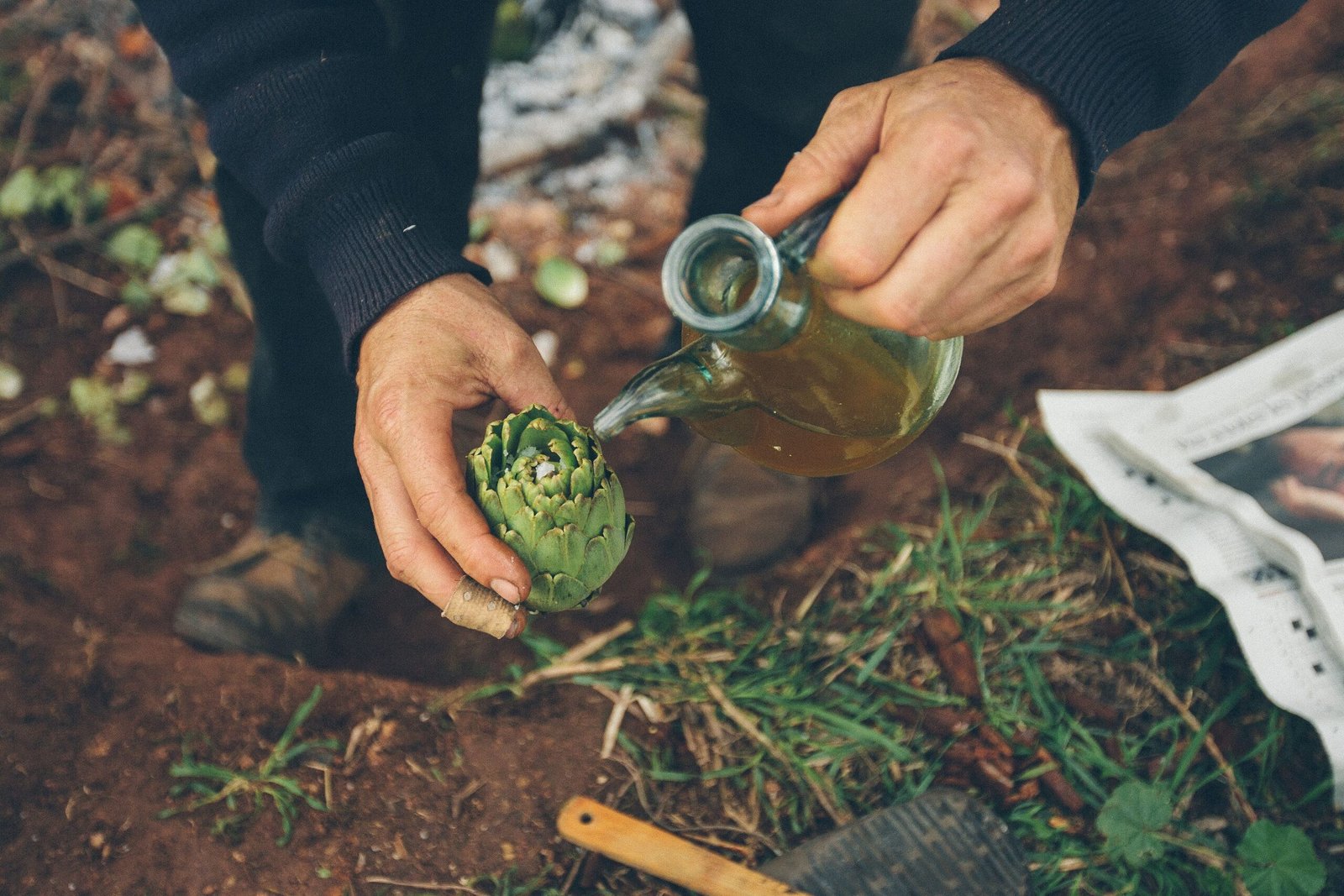
Alcachofas a la Plancha – Spanish Grilled Artichokes Copy title
Ingredients
- 8 medium globe artichokes
- 1 lemon divided
- 4 tbsp 60 ml extra virgin olive oil, divided
- Coarse sea salt to taste
- Freshly ground black pepper to taste
- Water and a little salt for boiling
Method
- Fill a large bowl with cold water. Squeeze the juice of half the lemon into the water and set the remaining half aside for serving.
- Prepare the artichokes one at a time. Remove the tough, dark outer leaves until you reach the lighter, more tender leaves underneath. Cut approximately 2–3 cm (1 inch) from the top of each artichoke.
- Trim the woody ends of the stems, leaving approximately 2–3 cm (1 inch) attached if desired. Peel the tough outer layer from the remaining stems with a small knife or vegetable peeler. Trim away any particularly tough green areas around the base of the artichokes.
- Place each cleaned artichoke immediately into the lemon water to help prevent discoloration while you prepare the remaining artichokes.
- Bring a large saucepan of lightly salted water to a boil. Add the artichokes, reduce the heat to a steady simmer and cook for approximately 15–20 minutes, depending on their size. The base should be almost tender when pierced with the tip of a knife, but the artichokes should still hold their shape.
- Drain the artichokes thoroughly and allow them to cool until comfortable to handle. Cut each artichoke in half lengthwise, from the top through the stem.
- If the artichokes have a fuzzy, fibrous choke in the center, carefully scoop it out with a teaspoon, together with any tough purple-tipped inner leaves. Discard these parts, taking care not to damage the tender heart.
- Place the artichoke halves cut side down in a colander or on a clean kitchen towel for a few minutes so excess water can drain away. A relatively dry surface will develop better grill marks.
- Heat a large grill pan or plancha over medium-high heat until thoroughly hot. Brush the cut surfaces of the artichokes with some of the olive oil and lightly oil the cooking surface if necessary.
- Arrange the artichokes cut side down in a single layer, working in batches if needed. Grill for approximately 3–4 minutes without moving them, until the cut surfaces develop golden-brown grill marks.
- Turn the artichokes over and grill for another 3–4 minutes. The hearts should be completely tender, while the outside develops a slightly roasted flavor.
- Transfer the artichokes to a warm serving platter. Drizzle with the remaining extra virgin olive oil and squeeze over a little fresh lemon juice.
- Finish with coarse sea salt and freshly ground black pepper. Serve immediately, preferably with some crusty bread or a little aioli on the side.